
Why Your First SR-22 Quote Is Not Your Floor
You received one SR-22 quote after your DUII conviction and assumed that number represents what you'll pay for the next three years. Oregon carriers underwrite DUII cases on a spectrum—first-time offenders with BAC below 0.10 who enroll in diversion get quoted standard-tier rates by Progressive, Bristol West, and Geico, while repeat offenders or refusal cases route to non-standard automatically. The first carrier you contacted may have placed you in the wrong tier without telling you.
Oregon requires SR-22 filing for three years after a DUII conviction or administrative license suspension under ORS 813.410. The filing itself costs $25–$50 as a one-time carrier fee, but the underlying liability premium is where rate variation lives. Carriers that write high-risk policies in Oregon use different underwriting grids for DUII cases: some tier by BAC level and diversion enrollment status, others apply a flat surcharge regardless of circumstances. You need quotes from both groups to find your actual floor.
Compare car insurance rates in your state
Get quotes from licensed carriers — no obligation, no spam, results in minutes.
Get Your Free QuoteOregon DUII Reinstatement Fee
$85
This is the base fee to restore your license after DUII suspension in addition to the three-year SR-22 filing requirement. The fee applies whether you complete diversion or serve the full suspension—it does not cover the cost of SR-22 insurance itself.
Oregon DMV Driver and Motor Vehicle Services Division fee schedule
How Oregon Diversion Enrollment Changes Your Rate Tier
Oregon's DUII Diversion Program under ORS 813.200 allows first-time offenders to avoid conviction if they complete treatment, install an ignition interlock device, and stay violation-free for one year. Carriers treat diversion enrollees differently than convicted drivers—some underwrite diversion as a pending matter rather than a conviction, which keeps you in a lower tier. Progressive and State Farm both tier diversion cases separately if your BAC was under 0.10 and you have no prior alcohol violations in the past ten years.
The structural quirk: diversion eligibility requires SR-22 filing during the program period, but the conviction never appears on your driving record if you complete successfully. Carriers that pull your record after diversion completion see the administrative suspension but not the criminal conviction. This means your rate can drop significantly at your first policy renewal after diversion discharge—but only if the carrier you chose initially writes post-diversion business. Bristol West and National General both write diversion cases at standard-plus rates and re-tier favorably at renewal if your record stays clean.
Not all carriers participate. The General and GAINSCO write DUII cases but do not tier by diversion status—they treat all DUII administrative suspensions as non-standard risks regardless of BAC or program enrollment. If you quoted with a non-tiering carrier first, you left standard-tier money on the table without realizing it.
Carriers that do not tier by diversion status will quote you non-standard rates even if you qualify for standard-tier pricing elsewhere—this gap can persist for the full three-year SR-22 period if you never re-shop.
Which Oregon Carriers Write Tiered DUII Policies
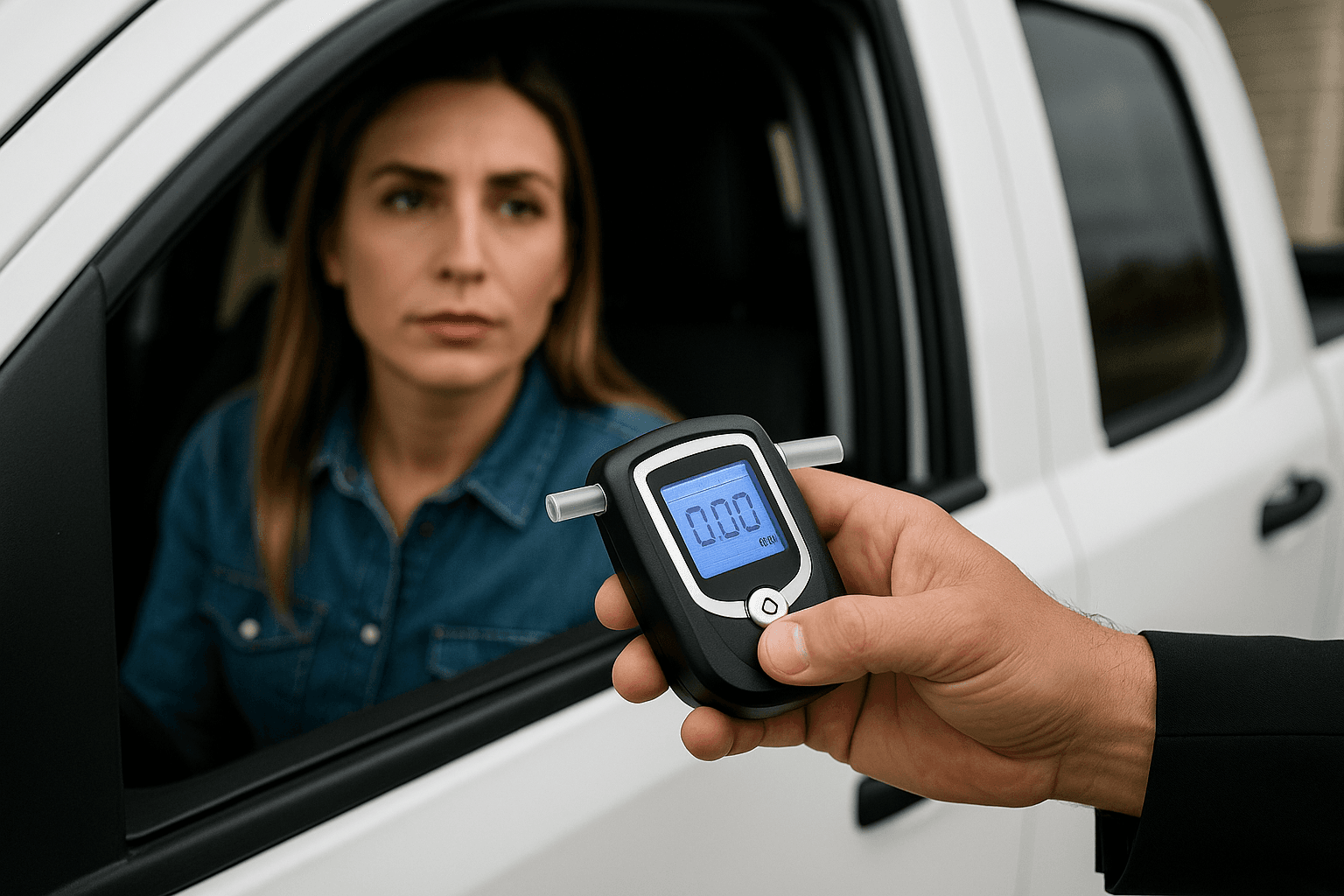
Progressive, State Farm, Bristol West, Geico, National General, and USAA all tier DUII cases by BAC level, prior violation history, and diversion enrollment status. Progressive's underwriting grid treats sub-0.10 BAC diversion enrollees as standard-tier risks if no other violations appear in the past five years—you will pay a DUII surcharge, but it applies to a standard base rate rather than a non-standard floor. State Farm tiers similarly but requires proof of diversion enrollment and IID installation before quoting standard rates. Bristol West writes the widest range: they quote standard-tier for diversion cases, standard-plus for first-time convictions, and non-standard for repeat offenders or refusals.
The General, GAINSCO, Dairyland, Infinity, and Kemper all write DUII policies but apply non-standard base rates to every DUII administrative suspension regardless of BAC, diversion status, or conviction outcome. If you quoted with one of these carriers first and received a non-standard rate, you should re-quote with a tiering carrier before filing. The rate difference between standard-plus and non-standard can be $80–$120 per month for identical liability limits—$2,880–$4,320 over the three-year SR-22 period.
Related Articles





How Ignition Interlock Compliance Affects Renewal Pricing
Oregon requires ignition interlock device installation as a condition of any hardship permit following DUII suspension under ORS 813.602. Carriers do not surcharge for the IID itself, but they do re-tier at renewal based on your compliance record. Progressive and State Farm both review IID violation logs at each renewal—if your device recorded lockouts, failed rolling retests, or tampering attempts, they move you to a higher tier even if you completed diversion successfully.
The IID vendor reports violations directly to Oregon DMV, and DMV shares compliance data with carriers through the state's electronic insurance verification system. A single failed retest does not automatically trigger re-tiering, but three or more violations within six months will. Bristol West is the most forgiving on this dimension—they do not re-tier for IID violations unless your hardship permit was revoked, which requires a pattern of serious non-compliance.
If your diversion period and IID requirement both end cleanly, expect your rate to drop 15–25% at your next renewal with a tiering carrier. Non-tiering carriers like The General and GAINSCO do not adjust rates downward after diversion completion—they maintain non-standard pricing for the full three-year SR-22 period regardless of your compliance record. This is the second structural reason to shop tiering carriers: not only do they quote lower initially, they also reward clean post-diversion behavior at renewal.
Oregon SR-22 Filing Duration After DUII
3 years
Oregon requires continuous SR-22 filing for three years measured from your conviction date or administrative suspension effective date, whichever is later. If your policy lapses for any reason during this period, your carrier reports the lapse to DMV and your license suspends again immediately.
ORS 806.010 financial responsibility requirements
Non-Owner SR-22 Policies for Suspended Oregon Drivers
If you do not own a vehicle but need SR-22 filing to satisfy Oregon's reinstatement requirement, a non-owner SR-22 policy covers you when driving borrowed or rental vehicles. Progressive, Geico, Bristol West, USAA, The General, and Dairyland all write non-owner SR-22 policies in Oregon. Non-owner premiums run $30–$60 per month for state minimum liability limits plus SR-22 filing—substantially cheaper than standard auto policies because there is no vehicle to insure.
The underwriting quirk: non-owner policies do not tier by diversion status the same way standard policies do. Most carriers treat all non-owner DUII applicants as moderate risks regardless of BAC or conviction outcome, which compresses the rate spread between tiering and non-tiering carriers. If you're shopping non-owner SR-22 specifically, quote both Progressive and The General—the rate gap will be smaller than it would be for a standard policy, and The General often wins non-owner comparisons despite being non-standard on vehicle policies.
Compare Carriers Before You File, Not After
Oregon carriers file your SR-22 certificate electronically with DMV within 24 hours of policy binding. Once filed, switching carriers before your three-year period ends requires canceling your current policy, purchasing a new one, and filing a new SR-22—all while ensuring no coverage gap, because a single day of lapse triggers automatic license suspension. The administrative friction of switching mid-period is high enough that most drivers stay with their initial carrier even when cheaper options exist.
Shop aggressively before your first SR-22 filing. Get quotes from at least three carriers: one tiering carrier like Progressive or Bristol West, one non-standard specialist like The General, and State Farm if you qualify for their tier. Provide identical information to all three—same liability limits, same coverage effective date, same diversion enrollment status if applicable. The quote spread will tell you whether your DUII case tiers favorably or routes to non-standard across the board. Once you identify your lowest quote, bind the policy and request SR-22 filing immediately—do not wait, because Oregon DMV requires proof of SR-22 on file before processing any reinstatement or hardship permit application.