The Three-Track Problem
Your Oregon DUII suspension period ends on a specific calendar date. That date does not automatically restore your driving privilege. Oregon DMV will not reinstate until you complete three separate procedural tracks: ignition interlock device installation through an approved vendor, DUII Diversion Program enrollment and education completion (for first-time offenders), and SR-22 financial responsibility filing through a licensed carrier. Each track has its own timeline, its own agency, and its own failure points.
Most Oregon DUII offenders approach reinstatement by waiting until the suspension period expires, then scrambling to meet requirements in parallel. This creates a 30-to-60-day reinstatement gap because the three tracks cannot be completed simultaneously. The correct sequence starts the ignition interlock application before the suspension period ends, triggers SR-22 filing as soon as a carrier agrees to write the policy, and completes diversion program requirements on the court's schedule — not DMV's.
Compare car insurance rates in your state
Get quotes from licensed carriers — no obligation, no spam, results in minutes.
Get Your Free QuoteOregon DUII Reinstatement Fee
$85
The $85 reinstatement fee applies specifically to DUII-related revocations and is paid to Oregon DMV after all other requirements are met. This is higher than Oregon's standard $75 suspension reinstatement fee and is non-refundable if documentation is incomplete.
Oregon DMV Driver and Motor Vehicle Services Division
What Oregon Calls the Suspension
Oregon uses the term DUII (Driving Under the Influence of Intoxicants) rather than DUI or DWI. This terminology appears in ORS Chapter 813 and on all DMV correspondence. When you search for reinstatement instructions, use DUII — generic DUI advice from other states will miss Oregon-specific procedural requirements.
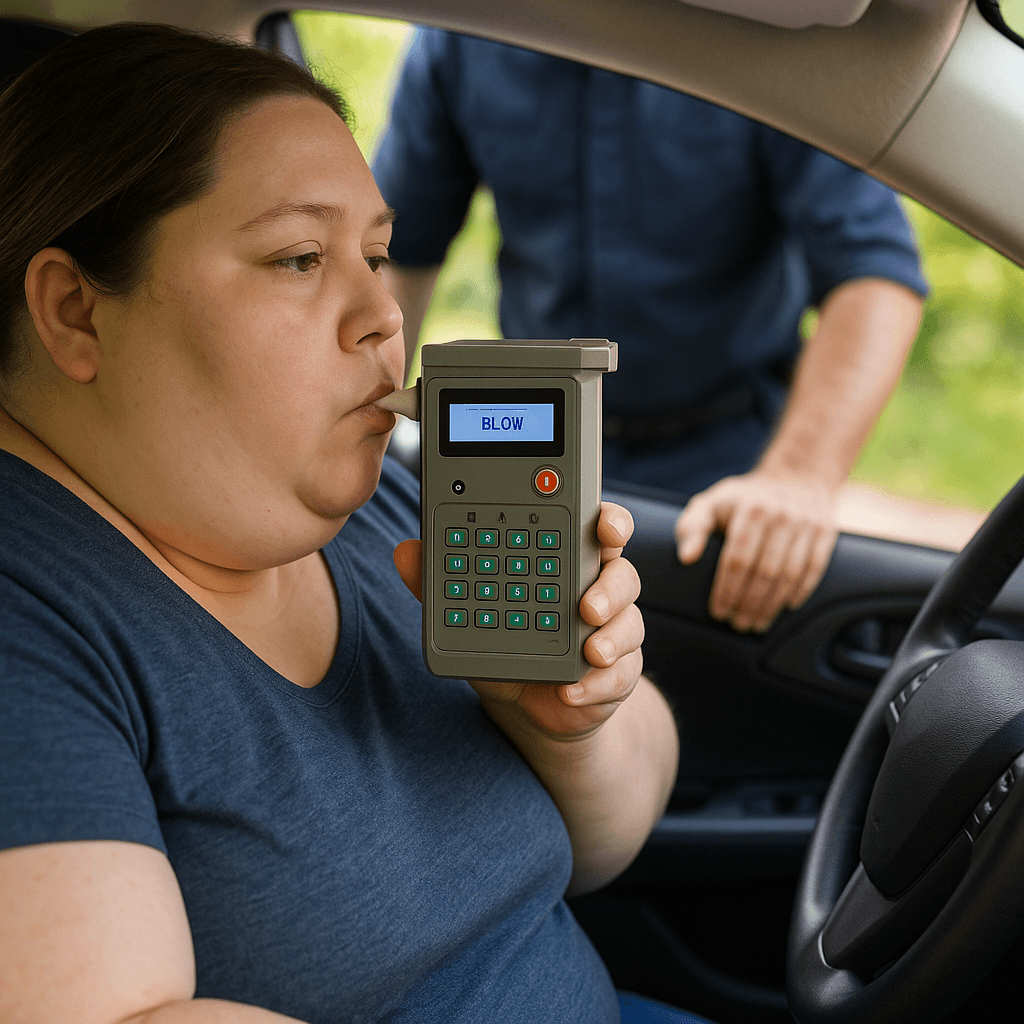
Oregon runs two suspension tracks for every DUII arrest. The administrative suspension is imposed by DMV under implied consent law (ORS 813.100) within days of your arrest, independent of any criminal court proceedings. If you refused a breath test, DMV suspends your license for one year administratively. If you took the test and failed (0.08% BAC or higher), DMV imposes a 90-day administrative suspension. The judicial suspension comes later, after criminal conviction, and is ordered by the court. Both suspensions can run concurrently if timing aligns, but they are enforced as separate legal actions — completing one does not erase the other.
The DUII Diversion Program (ORS 813.200 et seq.) is Oregon's first-offender track. If you qualify and enroll, you avoid a criminal conviction but accept a minimum one-year license suspension. Diversion requires alcohol education, a substance abuse evaluation, and compliance monitoring. Successfully completing diversion allows you to apply for a hardship permit after the first 30 days of hard suspension, but only if you install an ignition interlock device first.
Oregon DMV will not schedule your reinstatement appointment until all three documents arrive: IID compliance certificate, diversion completion letter, and active SR-22 on file.
Ignition Interlock Comes First
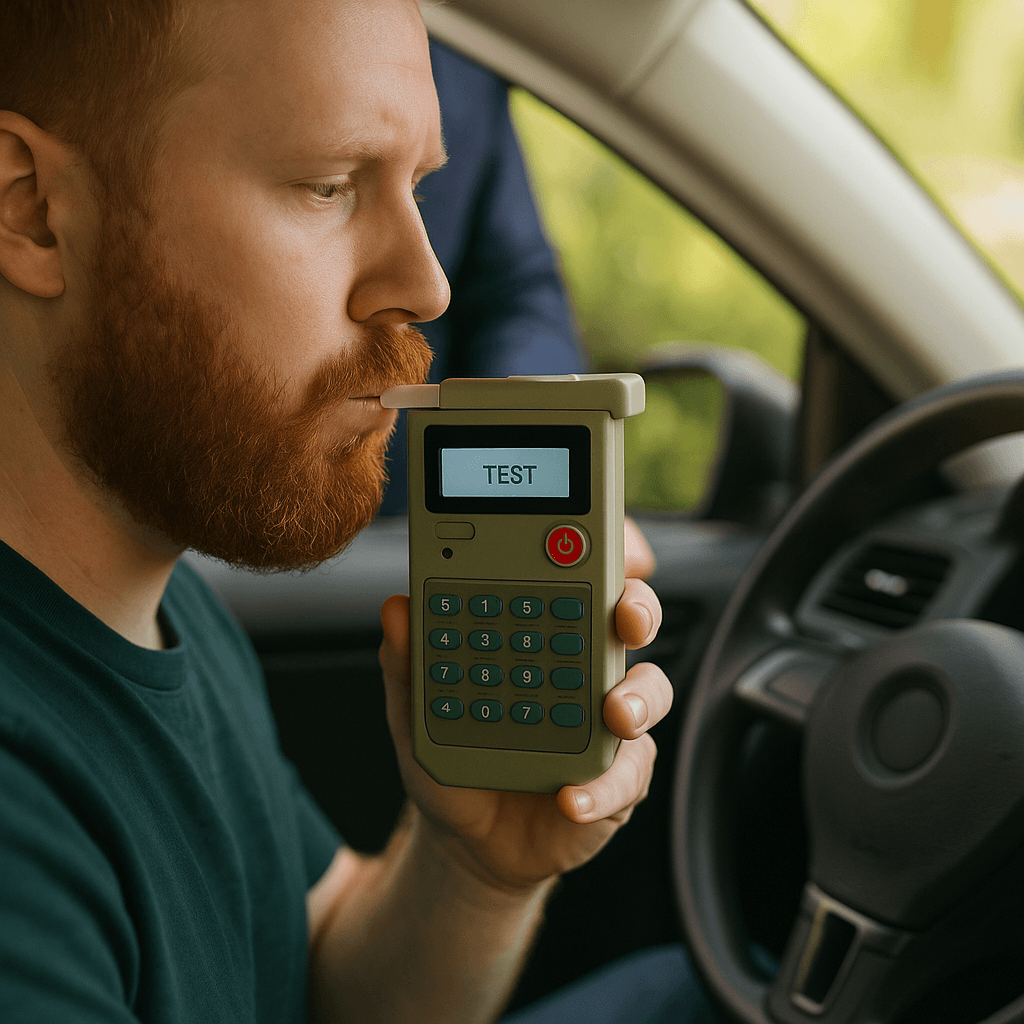
Apply to an Oregon-approved IID vendor before your suspension period expires. The vendor submits your application to DMV's IID program office, DMV reviews and approves, and the vendor schedules installation. This process takes 10 to 21 business days when application paperwork is complete. Most vendors require proof of vehicle ownership or a notarized letter from the registered owner authorizing installation. If you do not own a vehicle, you cannot install an IID, and Oregon offers no waiver — you must secure access to a vehicle or delay reinstatement until you do.
Once installed, the device logs every ignition event and every breath test. Monthly calibration appointments are mandatory; missing two consecutive appointments triggers a compliance violation report to DMV, which extends your suspension period automatically. Oregon requires the IID to remain installed for the full term specified by your diversion agreement or court order — typically one year minimum for first-time DUII offenders. Removal before the term expires without DMV authorization results in immediate license re-suspension.
Related Articles



SR-22 Filing Timing
SR-22 is Oregon's proof-of-financial-responsibility certificate. It is required for DUII reinstatement and must remain on file with Oregon DMV for 3 years from the date of conviction, not the date of filing. If your SR-22 lapses at any point during the 3-year period — because you cancel your policy, miss a payment, or switch carriers without maintaining continuous coverage — DMV suspends your license again automatically.
You obtain SR-22 by purchasing a liability insurance policy from a carrier licensed to write high-risk auto insurance in Oregon and asking the carrier to file the SR-22 certificate with DMV on your behalf. Not all carriers write post-DUII policies. Carriers that do include Geico, Progressive, Bristol West, Dairyland, GAINSCO, The General, and others specializing in non-standard auto insurance. The carrier submits the SR-22 electronically to Oregon DMV within 24 to 72 hours of binding coverage. Oregon DMV updates your record when the filing posts, but you must independently verify the SR-22 appears on your driving record before scheduling reinstatement.
If you do not own a vehicle, ask carriers about non-owner SR-22 policies. A non-owner policy provides liability coverage when you drive a vehicle you do not own and satisfies Oregon's SR-22 filing requirement without requiring you to insure a specific vehicle. Monthly premiums for non-owner SR-22 policies typically run lower than standard owner policies because they exclude collision and comprehensive coverage. Compare quotes from multiple carriers — rates vary significantly by violation history and county.
Oregon SR-22 Filing Period
3 years
Oregon requires continuous SR-22 coverage for 3 years following a DUII conviction. The 3-year clock starts on your conviction date, not your reinstatement date. Any lapse in coverage during this period — even one day — triggers automatic license re-suspension and restarts the filing requirement.
ORS 806.010, Oregon financial responsibility statute
Diversion Completion and Court Requirements
If you enrolled in Oregon's DUII Diversion Program, you must complete all program requirements before DMV will process reinstatement. Requirements include attending a state-approved alcohol education course (typically 16 to 20 hours), completing a substance abuse evaluation with a licensed evaluator, paying all court fines and diversion fees, and maintaining compliance with any additional conditions imposed by the court (community service, victim impact panel attendance, probation check-ins). The diversion program lasts one year minimum, and you cannot graduate early even if you finish coursework ahead of schedule.
Your diversion provider submits a completion certificate to the court when you satisfy all conditions. The court then notifies Oregon DMV that your diversion obligations are met. This notification process is not instant — allow 7 to 14 business days after your final diversion appointment for the court's completion letter to reach DMV. Until DMV receives that letter, your reinstatement application will be rejected as incomplete, even if IID and SR-22 are already on file.
Schedule Your Reinstatement
Once all three documents are confirmed on your DMV record — IID compliance certificate, diversion completion notification, and active SR-22 filing — contact Oregon DMV Driver and Motor Vehicle Services to schedule a reinstatement appointment. Some reinstatement types can be processed by mail, but DUII reinstatements typically require an in-person or phone appointment to verify documentation. Bring proof of identity, proof of IID installation, and a printed copy of your SR-22 certificate if the carrier provided one. Pay the $85 reinstatement fee by check, money order, or card at the appointment.
Oregon DMV will reissue your license once payment clears and all documentation is verified. Your new license will note any restrictions (IID requirement, for example) that remain in effect. If you qualified for and received a hardship permit during your suspension, that permit is voided upon full reinstatement — surrender it at the appointment. If you have outstanding tickets, child support arrears, or other holds on your driving record, those must be resolved before reinstatement is approved, even if DUII-specific requirements are met.
Start the Insurance Comparison Now
Do not wait until your suspension ends to shop for SR-22 coverage. Carriers need time to underwrite post-DUII policies, and securing affordable coverage in Oregon's high-risk market requires comparing multiple quotes. Request quotes from carriers that specialize in SR-22 filings — standard carriers like State Farm and Allstate write some DUII policies but typically price them significantly higher than non-standard specialists like Bristol West, Dairyland, or The General. If you need non-owner coverage, specify that when requesting quotes; not all carriers offer non-owner policies, and quoting a vehicle you do not own wastes time. Compare premiums, filing fees, and payment plan options before binding coverage — switching carriers mid-filing period resets your SR-22 compliance clock if not handled carefully.