
Comparing SR-22 Insurance Quotes — Oregon
Free to compare
Why SR-22 Quotes Look So Different
You need an SR-22 to reinstate your Oregon license after a DUII. You've requested quotes from five carriers, and the monthly premiums range from $140 to $380. The SR-22 filing fee itself is typically $15 to $50—a one-time charge—so why the massive spread?
The SR-22 certificate is a standardized form filed by your insurer with Oregon DMV proving you carry liability coverage. Every carrier files the exact same DMV form. What varies is the underlying auto insurance policy the SR-22 is attached to. That policy's premium depends on how each carrier underwrites DUII convictions, what coverage Oregon law requires you to carry, and which discounts or payment plans each insurer offers. You're not comparing SR-22 filings—you're comparing liability policies priced for high-risk drivers.
“The SR-22 certificate is identical across all carriers—what varies is the liability policy underneath and Oregon's mandated PIP and uninsured motorist add-ons.”

Get Your Oregon SR-22 Filed Without the Markup
Get My Oregon SR-22 Auto Insurance Quote$25,000 / $50,000 / $20,000
Oregon Minimum Liability Limits
Oregon requires $25,000 bodily injury per person, $50,000 per accident, and $20,000 property damage. Every SR-22 policy must meet or exceed these minimums. Most quotes you receive are priced at these exact minimums unless you request higher limits.
Oregon Revised Statutes Chapter 806
Oregon Requires PIP and Uninsured Motorist Coverage
Oregon law mandates that every auto insurance policy—including SR-22 policies—include Personal Injury Protection and uninsured motorist coverage. These are not optional add-ons. PIP covers your medical expenses and lost wages after an accident regardless of fault. Uninsured motorist coverage protects you if you're hit by a driver without insurance.
Carriers price these mandated coverages differently. One insurer might charge $30 per month for the state-minimum PIP; another charges $55 for the same coverage. Uninsured motorist pricing follows the same pattern. When you see a $380 quote versus a $140 quote, a substantial portion of that gap is the carrier's PIP and uninsured motorist pricing—not the SR-22 itself.
When you compare quotes, verify that each includes Oregon's mandated PIP and uninsured motorist coverage at the same limits. If one quote omits these coverages or shows them as optional, the comparison is invalid. Every compliant Oregon SR-22 policy carries both.

The SR-22 filing is identical across carriers—what you're actually comparing is how each insurer prices liability, PIP, and uninsured motorist coverage for DUII-convicted drivers.



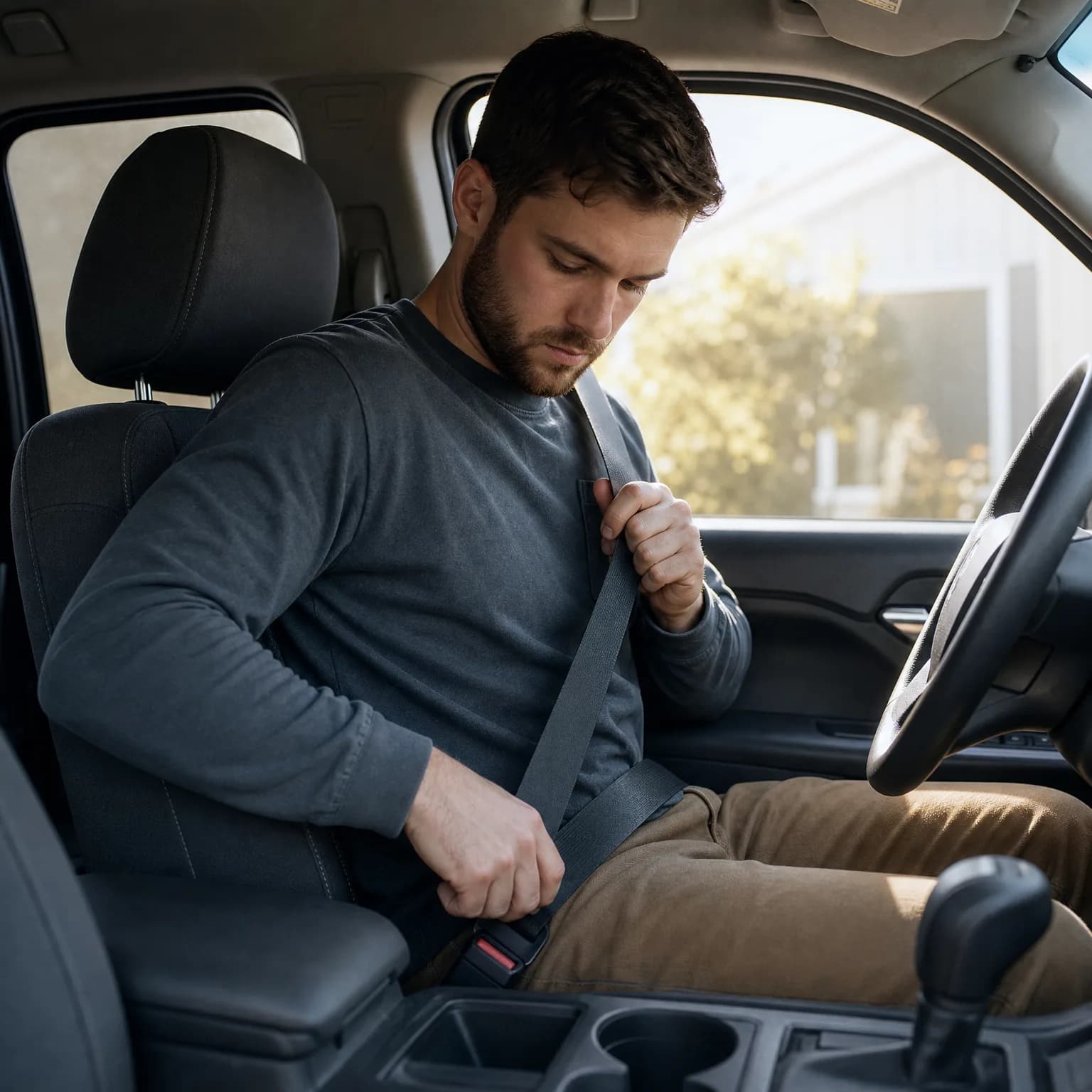



Non-Owner SR-22 for Drivers Without a Vehicle
If you don't own a vehicle but need an SR-22 to satisfy Oregon DMV's DUII reinstatement requirement, request non-owner SR-22 quotes. A non-owner policy provides liability coverage when you drive a borrowed or rental vehicle. It costs substantially less than a standard policy because there's no vehicle to insure—you're covering only your liability exposure.
Typical non-owner SR-22 premiums in Oregon range from $30 to $70 per month depending on your DUII date and driving history. Not every carrier writes non-owner policies. Geico, Progressive, Dairyland, The General, and USAA all offer non-owner SR-22 in Oregon. State Farm writes them selectively. If a carrier quotes you a standard policy when you requested non-owner, clarify before comparing—the coverage and price are completely different products.
Non-owner policies satisfy Oregon's SR-22 requirement but do not allow you to register a vehicle. If you later buy a car, you'll need to convert to a standard policy. The SR-22 filing transfers to the new policy without interruption as long as you notify your insurer within 30 days of the vehicle purchase.
3 years
Oregon SR-22 Filing Period
Oregon requires SR-22 filing for 3 years after a DUII conviction, measured from the conviction date. The filing must remain active and uninterrupted. If your policy lapses or cancels, your insurer notifies Oregon DMV within 10 days, and your license is re-suspended immediately.
Oregon Revised Statutes 806.010, Oregon DMV SR-22 requirements

How to Request Comparable Quotes
When requesting quotes, provide the same information to every carrier: your DUII conviction date, your current license status, whether you need a standard or non-owner policy, and your desired coverage limits. Ask each insurer to itemize the quote showing liability, PIP, uninsured motorist, and the SR-22 filing fee separately. Without itemization, you cannot identify where pricing diverges.
Request quotes at Oregon's minimum liability limits first: $25,000 per person, $50,000 per accident, $20,000 property damage. Once you have baseline quotes, you can decide whether to increase limits. Comparing one carrier's minimum-limit quote against another's $100,000 per person quote tells you nothing useful about relative pricing.
Compare Carriers That Write DUII Risks
Focus your comparison on carriers that actively write SR-22 policies for DUII-convicted drivers in Oregon. Bristol West, Dairyland, GAINSCO, Geico, Infinity, Kemper, National General, Progressive, State Farm, The General, and USAA all write SR-22 in Oregon and accept DUII applicants. Not every carrier writes every risk profile—if your conviction is recent or your BAC was high, standard carriers may decline or quote uncompetitive rates.
Request at least three quotes from carriers writing non-standard auto or explicitly advertising SR-22 services. Compare not only monthly premium but payment terms, coverage limits, installment fees, and whether the carrier allows you to remove the SR-22 filing automatically after three years or requires you to request removal. Some insurers will notify you when your filing period ends; others will continue charging the SR-22 fee indefinitely unless you call. Clarify this upfront—it's a $15 to $50 per year difference over time.
What Drives Quote Variation
Carriers segment DUII drivers by conviction date, BAC level, prior violations, and whether this is a first or repeat offense. Progressive and Geico typically offer lower rates for first-offense DUII drivers whose conviction is more than two years old. Bristol West and Dairyland specialize in recent convictions and high-BAC cases. State Farm and USAA often price competitively for drivers with a single DUII and otherwise clean records. If your DUII was within the past 12 months, expect non-standard carriers like Bristol West, The General, or GAINSCO to deliver the lowest quotes—standard carriers will either decline or price you into their high-risk tier.
Payment structure affects total cost. Some carriers front-load a six-month policy and require full payment upfront; others allow monthly installments with a processing fee. A $720 six-month policy paid in full is cheaper than the same policy broken into six $130 monthly payments. When comparing quotes, ask whether the figure is monthly, six-month, or annual—and whether installment fees are included. Mixing these formats makes side-by-side comparison impossible.
Get Your Free Quote
Get My Oregon SR-22 Auto Insurance QuoteFrequently Asked Questions
Does the SR-22 filing fee vary by carrier in Oregon?
The SR-22 filing fee typically ranges from $15 to $50 as a one-time charge, set by each carrier. Some insurers waive it entirely. The fee is negligible compared to the underlying policy premium—most quote variation comes from how the carrier prices liability, PIP, and uninsured motorist coverage for DUII drivers.
Can I get an SR-22 without owning a car in Oregon?
Yes. Request a non-owner SR-22 policy, which provides liability coverage when you drive a borrowed or rental vehicle. Non-owner SR-22 premiums in Oregon typically range from $30 to $70 per month. Geico, Progressive, Dairyland, The General, and USAA all write non-owner SR-22 policies in Oregon.
What happens if I switch carriers during my SR-22 filing period?
You can switch carriers anytime during your 3-year SR-22 period as long as there is no coverage gap. Your new carrier files a new SR-22 with Oregon DMV on the effective date of your new policy. Any lapse—even one day—triggers automatic license re-suspension and restarts your 3-year clock.
Why do some Oregon SR-22 quotes include collision and comprehensive?
Collision and comprehensive are optional unless your vehicle has a loan or lease requiring them. Oregon law does not mandate these coverages for SR-22 compliance. If a quote includes them and you don't need them, ask the carrier to remove them and re-quote with liability, PIP, and uninsured motorist only.
How long does it take for a carrier to file the SR-22 with Oregon DMV?
Most carriers file the SR-22 electronically with Oregon DMV within 1 to 3 business days of your policy's effective date. Oregon DMV processes the filing within 5 business days. You can verify filing status by calling Oregon DMV Driver Services or checking your DMV record online once processing completes.
Do I need to tell Oregon DMV which carrier I choose for SR-22?
No. Your insurance carrier files the SR-22 directly with Oregon DMV on your behalf. You do not submit anything to DMV yourself. Once DMV receives and processes the SR-22, your license suspension is lifted or your reinstatement process advances—depending on whether other requirements remain outstanding.