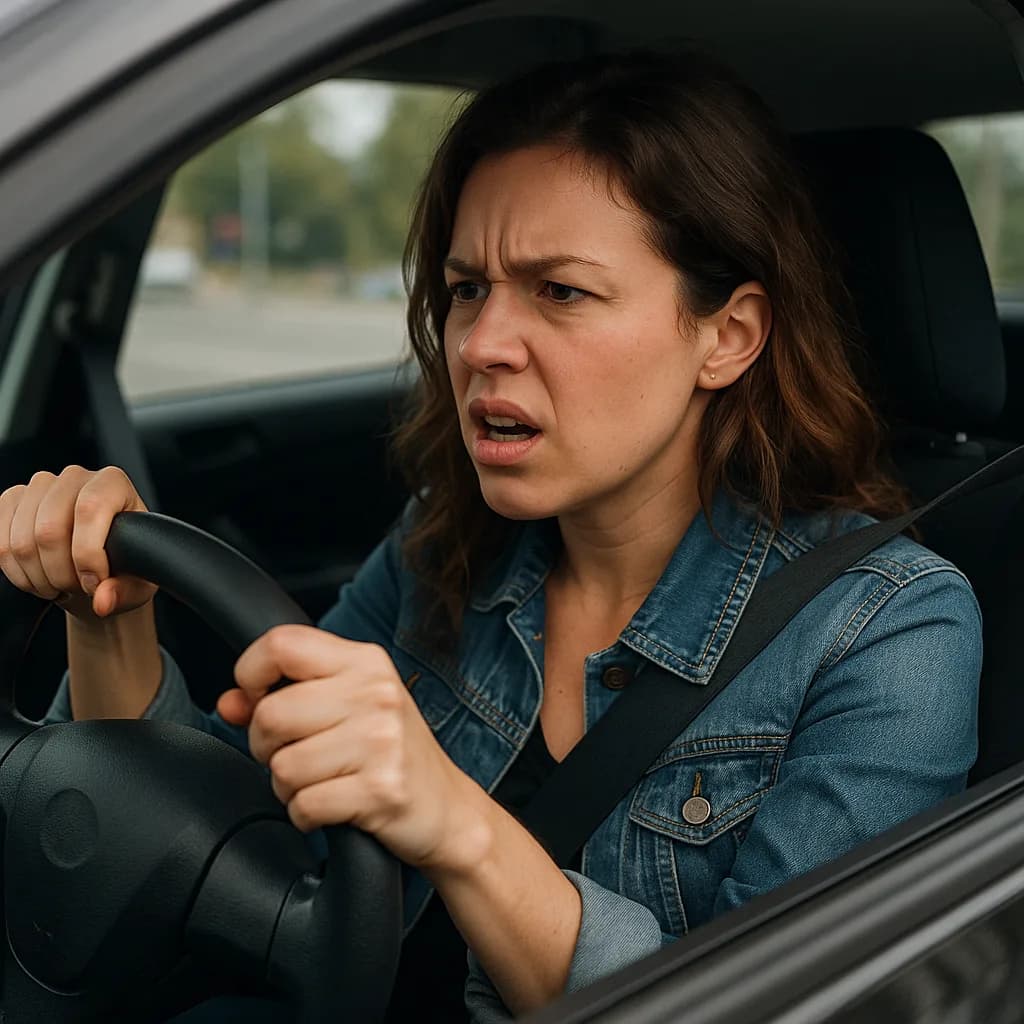
The Accident That Triggered Your SR-22 Requirement
You were in an at-fault accident. Hours or days later, Oregon DMV sent notice that your driving privileges are suspended and reinstatement requires SR-22 proof of financial responsibility. You did not receive a DUII criminal charge — the accident itself triggered the administrative suspension under Oregon's financial responsibility laws. This is a structural surprise: you expected insurance to handle the claim, not the state to revoke your license.
Oregon uses two separate suspension tracks. Administrative suspensions are imposed by DMV independent of criminal proceedings — an at-fault accident with injury, property damage above the state threshold, or failure to provide proof of insurance at the scene all trigger administrative action under ORS Chapter 806. Judicial suspensions result from court conviction and are reported to DMV separately. Your accident falls under the administrative track, and that track requires SR-22 filing as a reinstatement condition even when no DUII conviction appears on your record.
Compare car insurance rates in your state
Get quotes from licensed carriers — no obligation, no spam, results in minutes.
Get Your Free QuoteOregon SR-22 Filing Period
3 years
Oregon requires continuous SR-22 filing for 3 years from the date DMV receives the certificate, not the accident date. If the filing lapses for any reason during that 3-year window, the clock resets and suspension is reimposed until a new certificate is filed.
ORS Chapter 806 (Vehicle Code - Financial Responsibility)
Why Standard Carriers Won't Quote Your Policy
Your at-fault accident moved you from standard-tier to non-standard-tier underwriting. Standard carriers — State Farm, Allstate, GEICO for clean-record drivers — use automated underwriting systems that reject applications flagged with administrative suspension or recent at-fault accidents above a damage threshold. The system does not distinguish between your accident scenario and a DUII conviction; both land in the non-standard bucket.
Five carriers operating in Oregon write SR-22 policies for drivers in your position: Bristol West, Dairyland, GAINSCO, Progressive, and The General. Each underwrites post-accident risk differently. Bristol West and GAINSCO specialize in high-risk drivers and often quote lower premiums for accident-only suspensions than for DUII cases. Progressive writes both standard and non-standard tiers under the same brand but routes you to the non-standard underwriting pool. Dairyland and The General focus exclusively on non-standard risk and have no standard-tier comparison — their pricing reflects the specialty market you now occupy.
Carriers that write SR-22 in Oregon but may decline accident-triggered cases without additional violations include Kemper, National General, State Farm, and USAA. State Farm writes SR-22 but typically only for existing policyholders whose violations occurred mid-policy. USAA restricts eligibility to active-duty military, veterans, and their families. Kemper and National General write accident cases selectively depending on accident severity and whether property damage exceeded $5,000. If your initial quote request is declined by these four, move immediately to the five specialist carriers listed above.
Oregon DMV will not tell you which carriers write your specific violation type — you discover this only by requesting quotes and facing declinations.
How to Structure Your Comparison
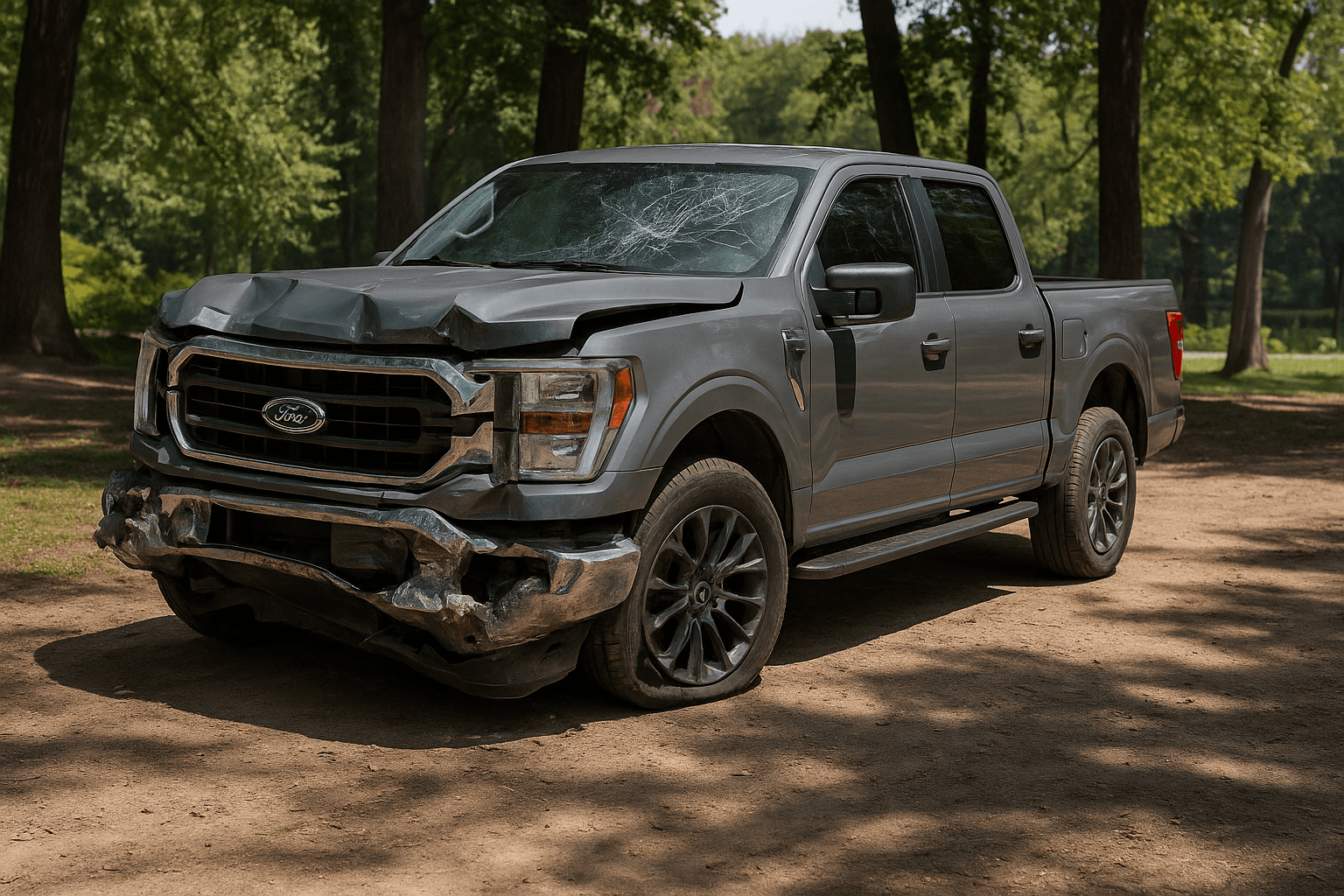
Request quotes simultaneously from all five specialist carriers within the same 48-hour window. Staggered quote requests produce rate shopping flags in some underwriting systems, and carriers interpret multiple inquiries over weeks as rate instability rather than comparison shopping. Provide identical coverage limits and deductible selections across all five quotes: Oregon's state minimums are $25,000 per person bodily injury, $50,000 per accident bodily injury, and $20,000 property damage. Do not request higher limits until you have baseline quotes — higher limits multiply the premium differential between carriers and obscure which carrier offers the most competitive base rate for your violation type.
Your accident details determine which carrier quotes lowest. GAINSCO and Bristol West underwrite property-damage-only accidents more favorably than accidents involving bodily injury. Progressive segments by total claim payout — accidents under $10,000 in combined damages receive better tier placement than accidents exceeding that threshold. Dairyland applies a flat accident surcharge regardless of claim size but discounts faster for drivers who complete Oregon's defensive driving course within 90 days of reinstatement. The General uses a longer lookback period than the other four — accidents remain surcharged for 5 years rather than 3, making them the least competitive option if your accident is recent but potentially competitive if you are comparing near the end of your SR-22 filing period.
Related Articles


State Minimum vs Full Coverage Decision
Oregon requires liability coverage as a reinstatement condition but does not require collision or comprehensive coverage. If your vehicle is financed or leased, your lender requires full coverage regardless of state law — declining collision coverage violates the loan agreement and triggers forced-place insurance at rates far higher than any voluntary SR-22 policy. If you own your vehicle outright, the decision is economic: does the vehicle's current value justify paying collision and comprehensive premiums in the non-standard market?
Non-standard collision coverage on a post-accident SR-22 policy costs approximately 40–60% more than the same coverage on a clean-record standard policy. A $500 collision deductible on a $12,000 vehicle adds $80–$140 per month to your premium depending on carrier. If your vehicle is worth less than $5,000, most drivers in your position carry liability only and self-insure the vehicle replacement risk. If your vehicle is worth $8,000 or more, compare the monthly collision premium against the deductible and replacement cost — a $1,000 deductible reduces monthly cost by $30–$50 compared to a $500 deductible and may shift the calculation in favor of retaining collision coverage.
Comprehensive coverage is separately priced and covers non-collision losses: theft, vandalism, weather damage, animal strikes. Oregon's comprehensive claim frequency is higher than the national average due to urban vehicle theft rates in Portland and Salem. If you park on-street in Multnomah County or live in a ZIP code with elevated theft risk, comprehensive coverage often costs less than collision and delivers faster break-even. Request quotes with liability-only, liability plus comprehensive, and full coverage to compare the incremental cost of each layer.
Oregon Base Reinstatement Fee
$75
Oregon charges $75 to reinstate driving privileges after an administrative suspension, payable to DMV at the time SR-22 proof is submitted. DUII-related suspensions carry an additional $100 fee, but accident-only administrative suspensions are subject only to the $75 base fee.
Oregon DMV Fee Schedule
Non-Owner SR-22 If You Sold Your Vehicle
If you sold your vehicle after the accident or do not currently own a car, Oregon still requires SR-22 filing to reinstate your license. A non-owner SR-22 policy provides liability coverage when you drive vehicles you do not own — borrowed cars, rental cars, or employer-provided vehicles. Non-owner policies cost 30–50% less than standard owner policies because they exclude collision and comprehensive coverage entirely and carry lower liability exposure due to reduced mileage assumptions.
Four of the five specialist carriers write non-owner SR-22 in Oregon: Dairyland, GAINSCO, Progressive, and The General. Bristol West writes non-owner policies in some states but not Oregon — if your initial comparison includes Bristol West, exclude them from your non-owner quote requests. Non-owner premiums for accident-triggered SR-22 typically range from $45 to $85 per month depending on the accident's claim severity and your age. Drivers under 25 face higher non-owner premiums than drivers over 25 due to underwriting age bands that treat young drivers as higher risk regardless of vehicle ownership status.
Compare Now and Lock Your Rate Before Filing
Oregon carriers writing SR-22 policies re-rate monthly based on claims data and state filing volume. The premium you are quoted today may increase 10–15% if you delay purchase by 30 days, particularly during high-volume filing periods in January and July when DUII administrative suspensions spike due to holiday enforcement patterns. Once you bind a policy, your premium is locked for the 6-month policy term regardless of subsequent rate changes in the non-standard market.
Request quotes from all five specialist carriers now, compare coverage and premium side-by-side, and bind the policy that offers the lowest total 6-month cost. The carrier files your SR-22 certificate electronically with Oregon DMV within 24 hours of binding. You receive a copy of the filed certificate by email the same day and can submit it to DMV alongside your $75 reinstatement fee immediately. Waiting to compare until after reinstatement is paid produces no advantage — DMV holds your reinstatement application until the SR-22 filing is received, and delaying the comparison only exposes you to rate increases during the waiting period.