When Your Hardship Permit Requires Two Separate Systems
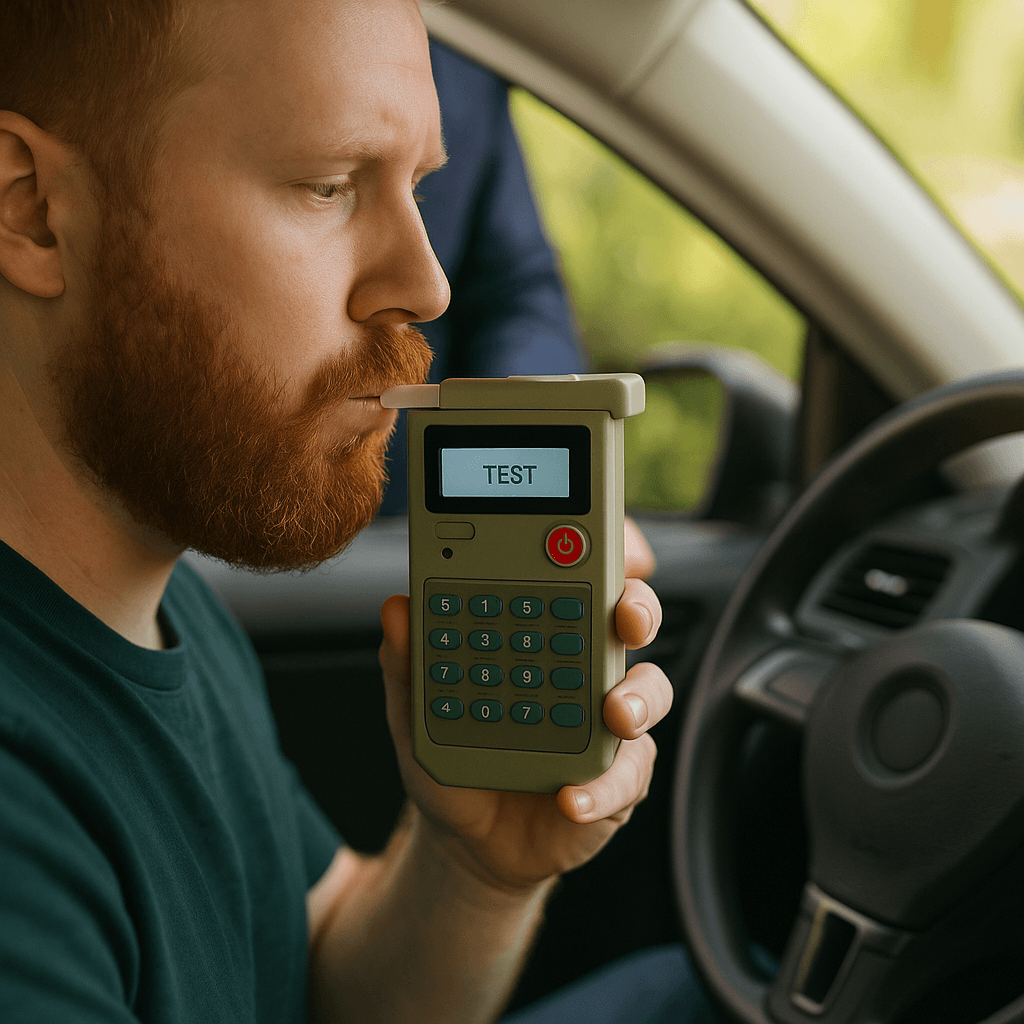
You received notice that your Oregon DUII suspension requires both an ignition interlock device and an SR-22 certificate to qualify for a hardship permit. You installed the IID through an approved vendor, obtained SR-22 coverage from a carrier willing to write post-DUII policies, and submitted both certificates to Oregon DMV. Two weeks later, DMV rejected your hardship application because your SR-22 filing shows a vehicle without an interlock notation, or your IID certificate lists a vehicle your SR-22 policy doesn't cover.
Oregon's hardship permit structure under ORS 807.240 and ORS 813.520 creates a procedural friction most suspended drivers don't anticipate: the IID vendor reports interlock installation directly to DMV through Oregon's IID program, while your insurance carrier reports SR-22 filing through the Oregon Insurance Reporting System. These two systems don't communicate. When the vehicle VINs, coverage dates, or policy details don't align across both reports, DMV treats the application as incomplete even though you've technically met both requirements.
Compare car insurance rates in your state
Get quotes from licensed carriers — no obligation, no spam, results in minutes.
Get Your Free QuoteOregon Base Reinstatement Fee
$75
Oregon charges a $75 base reinstatement fee for most administrative suspensions, but DUII revocations carry a higher reinstatement fee — potentially $100 or more — plus mandatory SR-22 filing fees and IID installation costs that total $1,200–$2,500 upfront before reinstatement is approved.
Oregon DMV fee schedule; ORS Chapter 809
What Oregon Actually Requires for Hardship Permit Eligibility
Oregon issues hardship permits (formally called Hardship Driving Permits) only after a mandatory hard suspension period. For DUII cases subject to implied consent suspension under ORS 813.410, that hard period is 30 days for a BAC failure (0.08+ test result) or 90 days for a test refusal. Court conviction suspensions carry their own hard periods. No hardship permit is available during the initial hard suspension window — you cannot drive at all during that time, even for work.
After the hard period ends, Oregon allows you to apply for a hardship permit if you meet all eligibility conditions: proof of essential need (employment, medical appointments, school, or other necessity), SR-22 insurance certificate on file with DMV, ignition interlock device installed in every vehicle you will operate under the permit, and completion of any alcohol education or treatment program mandated by your court order or diversion agreement. Oregon offers a DUII Diversion Program under ORS 813.200 for first-time offenders — enrolling in diversion allows you to apply for a hardship permit after the 30-day hard suspension, contingent on diversion compliance and IID installation. This pathway is unique to Oregon and substantially shortens the timeline compared to waiting out a full conviction-based suspension.
Your hardship permit restricts driving to specific purposes and specific hours approved by DMV based on your stated need. If your essential need is employment, your permit limits driving to your commute and work-related travel during your shift hours. If you need to drive for medical appointments, you must document appointment times and locations. Violating the route or time restrictions triggers automatic hardship revocation — and unlike some states where restricted licenses allow discretionary errands, Oregon enforces strict compliance with the stated purpose you documented in your application.
The IID vendor and your SR-22 carrier report to DMV separately. When the vehicle VINs or coverage dates don't align, DMV rejects your hardship application even though you've paid for both.
How to Sync SR-22 and IID Documentation
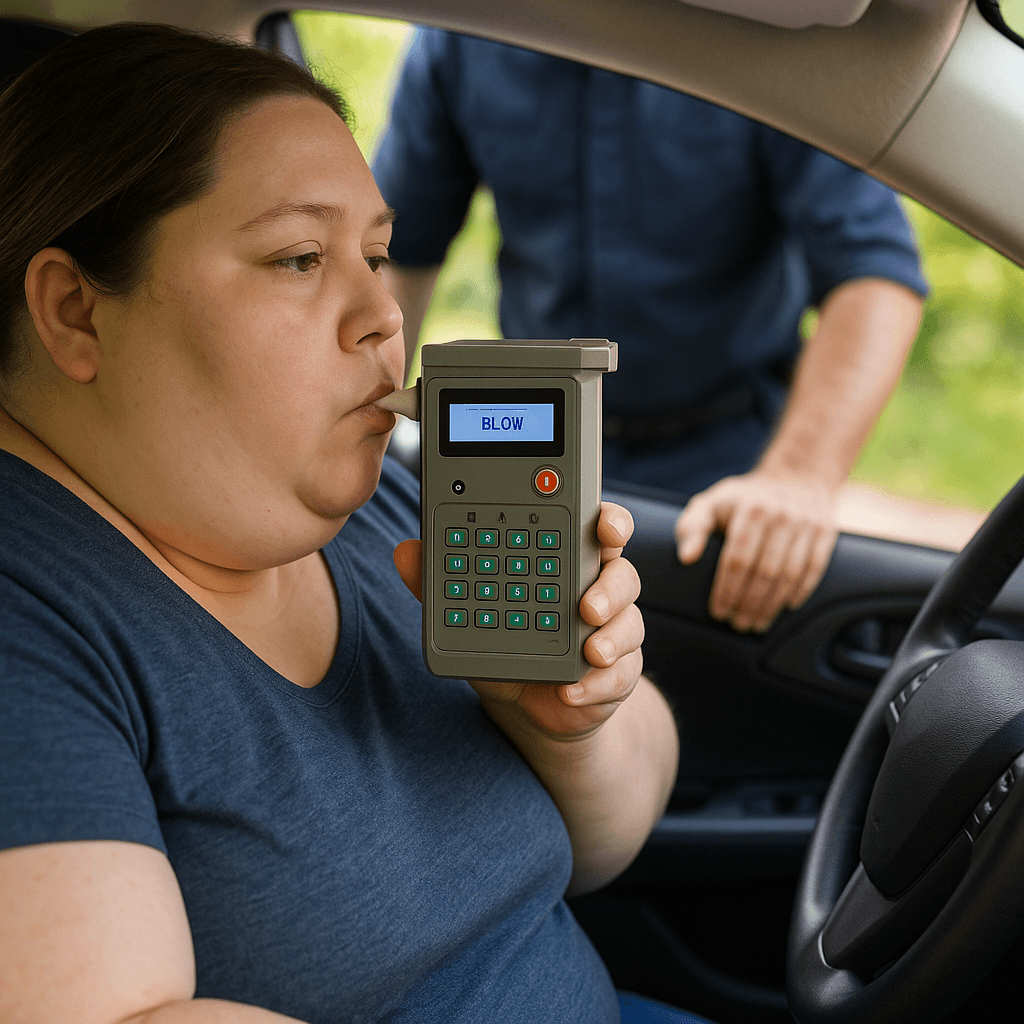
Before you apply for the hardship permit, verify that your SR-22 policy lists the exact VIN of every vehicle where an IID is installed. If you own the vehicle, your SR-22 must be an owner policy covering that specific vehicle. If you will drive a vehicle registered to someone else (employer vehicle, family member's car), you need a non-owner SR-22 — but Oregon still requires IID installation in any vehicle you operate under the hardship permit, and the IID certificate must list that vehicle's VIN. Contact your carrier and your IID vendor simultaneously: give your carrier the VIN from the IID installation certificate, and give your IID vendor the policy number and effective date from your SR-22 certificate. Confirm both reports were transmitted to Oregon DMV before you submit your hardship application.
When your SR-22 filing date and your IID installation date don't align, DMV flags the application for manual review. This happens frequently when drivers obtain SR-22 coverage first, then schedule IID installation a week later, or vice versa. Oregon does not publish a formal grace period for this timing mismatch, but DMV processing typically accepts a gap of a few days. Gaps longer than 7–10 days between SR-22 effective date and IID installation date trigger rejection. If you've already submitted your application and received a rejection notice citing documentation mismatch, correct the issue with your carrier or IID vendor, obtain updated certificates showing matching details, and resubmit. Oregon DMV does not automatically pull updated filings — you must submit corrected documentation manually.
Related Articles





Finding SR-22 Coverage That Works With Interlock Requirements
Not every carrier willing to file SR-22 in Oregon writes policies for drivers with active IID requirements. Some carriers exclude IID-equipped vehicles from coverage entirely, citing liability concerns or underwriting restrictions on modified vehicles. Others write the policy but require you to disclose the IID installation upfront and document vendor certification before binding coverage. Oregon-licensed carriers known to write SR-22 policies for drivers with interlock devices include Bristol West, Dairyland, GAINSCO, Geico, Progressive, and The General. Availability varies by county, driving record, and whether you own the vehicle or need non-owner coverage.
If you don't own a vehicle and need non-owner SR-22 to satisfy Oregon's reinstatement requirement, you still must have IID installed in any vehicle you operate under the hardship permit. This creates a structural problem: non-owner policies don't list a specific vehicle VIN, but Oregon's IID certificate must list a VIN. The solution depends on whose vehicle you'll drive. If you'll drive an employer's vehicle, your employer must allow IID installation in that vehicle, and the IID certificate lists the employer's VIN — your non-owner SR-22 covers your liability exposure while operating that vehicle. If you'll drive a family member's vehicle, the same logic applies, but the vehicle owner must consent to the interlock installation and understand that the device may trigger insurance questions on their own policy. Oregon DMV does not waive the IID requirement for non-owner hardship permits — the interlock must be present in every vehicle you operate, regardless of ownership.
Expect to pay $85–$140 per month for SR-22 liability coverage after a DUII suspension in Oregon, depending on your county, age, and prior insurance history. Non-owner SR-22 policies typically cost $40–$80 per month. These figures reflect base liability premiums meeting Oregon's minimum requirements ($25,000 bodily injury per person, $50,000 per accident, $20,000 property damage, plus mandatory PIP and uninsured motorist coverage). Collision and comprehensive coverage on a vehicle you own will add to the monthly cost. The SR-22 filing itself carries a one-time filing fee set by your carrier, typically $15–$50. IID installation costs $75–$150, plus $60–$90 per month for monitoring and calibration throughout the permit period. Plan for total upfront costs of $1,200–$2,500 to obtain hardship eligibility: reinstatement fee, SR-22 first-month premium and filing fee, IID installation, and any alcohol education program fees required by your court order.
Oregon SR-22 Filing Period
3 years
Oregon requires SR-22 filing for 3 years after a DUII conviction, measured from your reinstatement date. If your SR-22 policy lapses at any point during those 3 years, DMV suspends your license again, and you start the filing period over from the beginning.
ORS 806.010; Oregon DMV SR-22 requirements
Maintaining SR-22 and IID Compliance Throughout the Permit Period
Your hardship permit remains valid only as long as your SR-22 filing and IID installation remain active and compliant. If your insurance policy lapses for any reason — nonpayment, cancellation, switching carriers without maintaining continuous coverage — your carrier notifies Oregon DMV electronically through the Oregon Insurance Reporting System within 24 hours. DMV suspends your hardship permit immediately, and you lose driving privileges until you refile SR-22 and pay a new suspension reinstatement fee. This is separate from the original DUII suspension — it's a new administrative suspension triggered by the SR-22 lapse, and it extends your total restricted-driving period.
IID compliance failures trigger the same immediate revocation. Oregon's approved IID vendors report violations to DMV automatically: failed startup breath tests, missed rolling retests, tampering with the device, or failing to appear for required calibration appointments. A single violation doesn't necessarily revoke your permit, but the violation goes on your DMV record and can be used as grounds for revocation if a pattern develops. Two or more violations within a 30-day period typically result in automatic hardship revocation under Oregon DMV administrative rules. Once revoked, you cannot reapply for a hardship permit until you resolve the compliance issue, document 60 days of clean IID records, and pay another application fee.
When your hardship permit period ends and you're eligible for full license reinstatement, Oregon requires proof that you completed the full IID monitoring period without compliance failures and maintained SR-22 filing continuously. If your IID vendor closed your account early or your SR-22 lapsed even briefly during the hardship period, DMV treats your reinstatement application as incomplete. You'll need to obtain documentation from your IID vendor showing the full monitoring period with clean records, and confirmation from your insurance carrier that your SR-22 filing remained active without interruption. Missing either of these documents delays reinstatement by weeks while you track down compliance certificates from vendors who may no longer have your account actively monitored.
What to Do Right Now
Contact an Oregon-licensed carrier that writes SR-22 policies for DUII cases and explicitly confirm they will cover a vehicle with an ignition interlock device installed. Provide the VIN of the vehicle where the IID will be installed before the carrier binds your policy — this prevents documentation mismatches later. If you need non-owner SR-22, confirm with the carrier that non-owner policies are available in your county and ask how DMV will cross-check your non-owner SR-22 against the IID certificate for a vehicle you don't own. Schedule IID installation with an Oregon DMV-approved vendor and request that the installation certificate be transmitted to DMV the same day your SR-22 policy becomes effective. Wait 3–5 business days after both filings are transmitted, then contact Oregon DMV Driver and Motor Vehicle Services to confirm both your SR-22 and IID certificates are on file and matched before you submit your hardship permit application. This proactive confirmation prevents the weeks-long delay that comes from discovering a mismatch only after DMV rejects your application.