
When Oregon Requires SR-22 After an At-Fault Accident
You caused an accident in Oregon and someone told you that you need SR-22 insurance. That's only true if you were driving uninsured when the accident happened. Oregon does not require SR-22 filing for at-fault accidents alone — the state requires SR-22 only after DUII convictions or uninsured driving violations under ORS 806.010. If you had valid liability coverage when the accident occurred, the SR-22 requirement does not apply to you, even if your carrier dropped you afterward.
The confusion comes from mixing two separate issues: the SR-22 filing requirement (triggered only by DUII or driving uninsured) and the premium increase you face after an at-fault accident (which happens regardless of SR-22 status). Your carrier places you in a higher-risk tier because of the accident, but that tier shift is not the same thing as needing SR-22. This article clarifies when Oregon actually requires SR-22 after an at-fault accident, which carriers write post-accident coverage, and how to avoid paying for both a tier penalty and an unnecessary filing.
Compare car insurance rates in your state
Get quotes from licensed carriers — no obligation, no spam, results in minutes.
Get Your Free QuoteOregon Minimum Liability Limits
$25,000/$50,000/$20,000
Oregon requires $25,000 bodily injury per person, $50,000 per accident, and $20,000 property damage. If you were uninsured when the accident happened and caused injury or damage exceeding these thresholds, the state will require SR-22 filing for reinstatement even if no criminal charge was filed.
ORS Chapter 806, Oregon DMV
The Uninsured Accident Path to SR-22
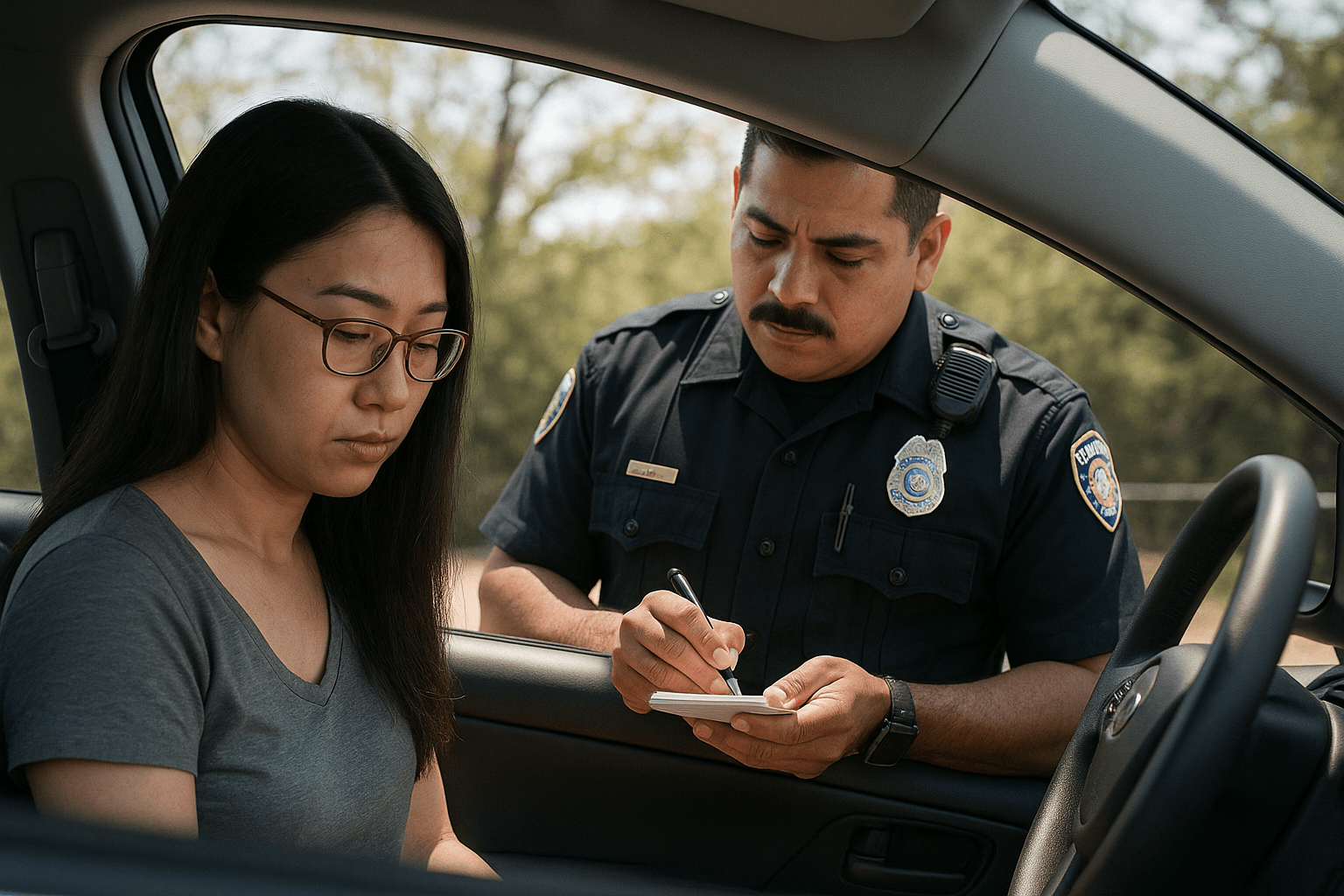
Oregon's SR-22 requirement activates when you drive without insurance and cause an accident that results in property damage or injury. The DMV suspends your license under ORS 806.010 and will not reinstate it until you file SR-22 and maintain it for 3 years. The filing period starts from the date the SR-22 is filed with the state, not the accident date or suspension date.
If you had valid liability coverage when the accident occurred, your license will not be suspended for driving uninsured because you were not driving uninsured. Your carrier may non-renew you or move you to a non-standard tier, but the state does not require SR-22 filing. The premium increase you face is market behavior, not a legal requirement.
The critical distinction: SR-22 is a state-imposed financial responsibility filing required only after specific violations. A premium increase after an at-fault accident is a carrier underwriting decision that applies whether or not the state requires SR-22. Do not pay for SR-22 filing if the state has not required it — verify your suspension letter from Oregon DMV before assuming you need it.
If your suspension letter does not reference ORS 806.010, ORS 813.410, or financial responsibility filing, you do not need SR-22 — you need post-accident coverage at the tier your driving record now places you in.
Carriers That Write Post-Accident Coverage in Oregon
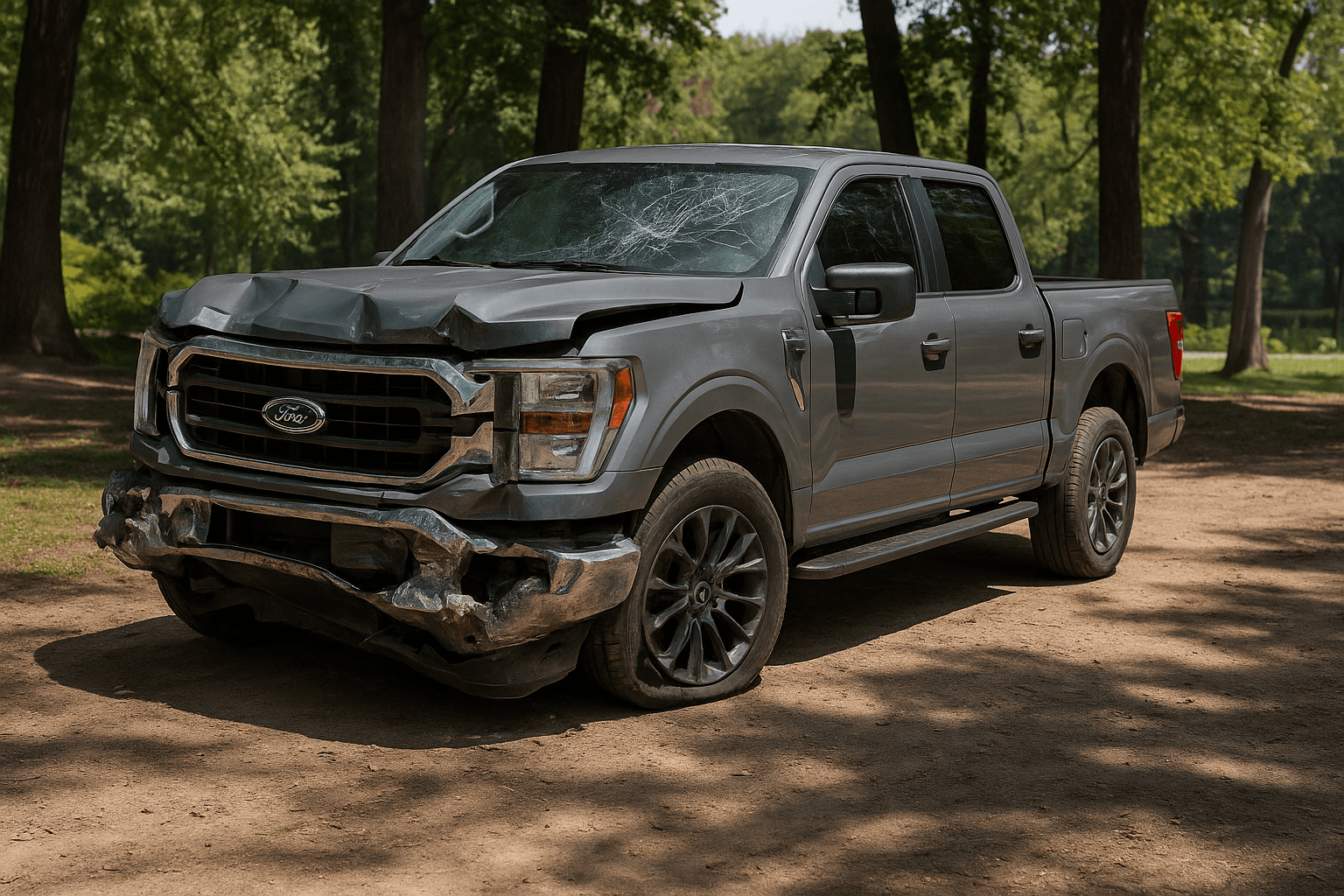
Bristol West, Dairyland, GAINSCO, and The General write non-standard auto in Oregon and accept drivers with recent at-fault accidents. These carriers specialize in high-risk profiles and offer SR-22 filing as a standard service. Progressive and Geico also write post-accident drivers but tier premiums based on accident severity and frequency — one at-fault accident may keep you in standard tier with a surcharge; multiple accidents or an accident combined with a violation will push you to non-standard.
State Farm writes post-accident drivers selectively and offers SR-22 when required, but renewal decisions depend on total loss history. If the accident caused a claim exceeding $5,000 or you have multiple claims in the past three years, expect non-renewal or assignment to a non-standard affiliate. Kemper, Infinity, and National General accept post-accident applicants and file SR-22 when needed, but their base rates vary significantly by county — Multnomah and Lane County applicants typically pay higher premiums than rural counties due to claim frequency.
Related Articles



How At-Fault Accidents Affect Your Premium Without SR-22
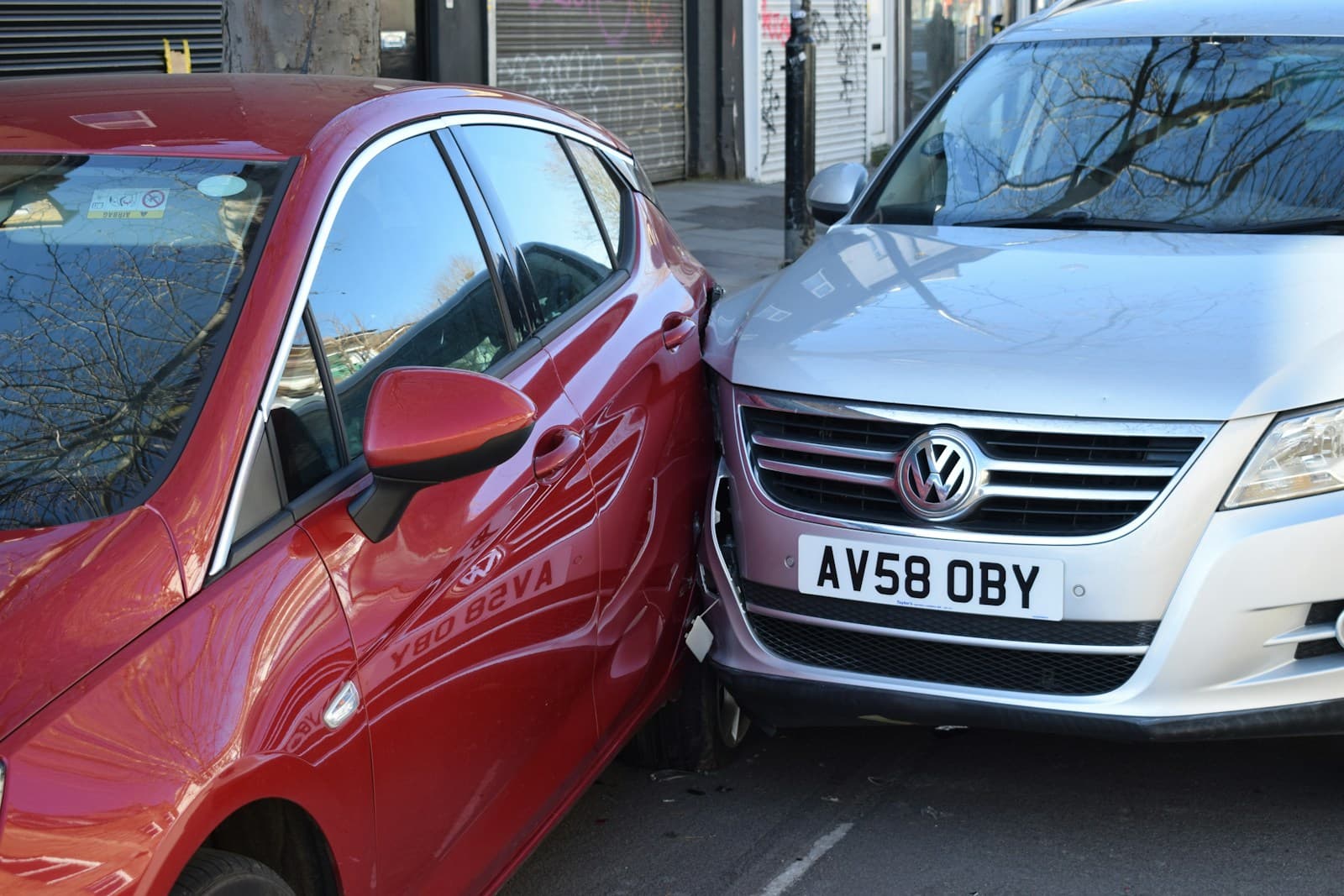
Oregon carriers surcharge at-fault accidents for three to five years from the accident date. The surcharge amount depends on claim severity, your prior history, and the carrier's tier structure. One at-fault accident with a property damage claim under $2,000 typically adds 20 to 40 percent to your base premium. An at-fault accident with bodily injury or total loss exceeds 50 percent in most cases.
Carriers apply the surcharge at renewal, not mid-term. If your accident occurred two months into your six-month policy, the premium increase takes effect when the policy renews. Some carriers offer accident forgiveness programs that waive the first at-fault accident surcharge if you have been claim-free for a minimum period, typically three to five years. Verify eligibility before assuming the benefit applies.
If you were uninsured when the accident happened and now face SR-22 filing, you will pay both the post-accident tier surcharge and the non-standard tier base rate. This is not double-billing — the surcharge applies to the risk you posed by causing the accident; the non-standard tier rate applies to the risk you posed by driving uninsured. Combining these two penalties produces premiums significantly higher than either penalty alone.
Oregon SR-22 Filing Period
3 years
If Oregon DMV requires SR-22 after an uninsured accident, you must maintain the filing for 3 years from the date it is filed. Any lapse in coverage during the 3-year period restarts the clock and triggers a new suspension. Verify your filing end date with your carrier and set a calendar reminder 30 days before expiration.
Oregon DMV SR-22 program requirements
Finding the Lowest Rate After an At-Fault Accident
Carriers price post-accident risk differently. One carrier's tier structure may place you in a moderately surcharged tier; another carrier may classify the same accident as high-risk and double your premium. The only way to identify the lowest rate for your specific profile is to compare quotes from at least three carriers that accept post-accident applicants in Oregon.
Focus on carriers that write non-standard auto and offer SR-22 filing if required: Bristol West, Dairyland, GAINSCO, The General, Progressive, and Geico. Request quotes with your actual accident date, claim amount, and whether you were insured at the time of the accident. Do not omit the accident from your application — carriers verify claims history through CLUE reports and will non-renew or deny coverage if they discover undisclosed accidents after binding the policy.
Compare Carriers Writing Your Profile
If you were insured when the accident happened, you need post-accident coverage but not SR-22. If you were uninsured when the accident happened and Oregon DMV suspended your license, you need both post-accident coverage and SR-22 filing. Either way, the carriers above write your profile and the rate difference between them can exceed $100 per month. Start with three quotes from non-standard carriers, verify each quote includes SR-22 filing if your suspension letter requires it, and confirm the policy meets Oregon's $25,000/$50,000/$20,000 minimum limits before binding.