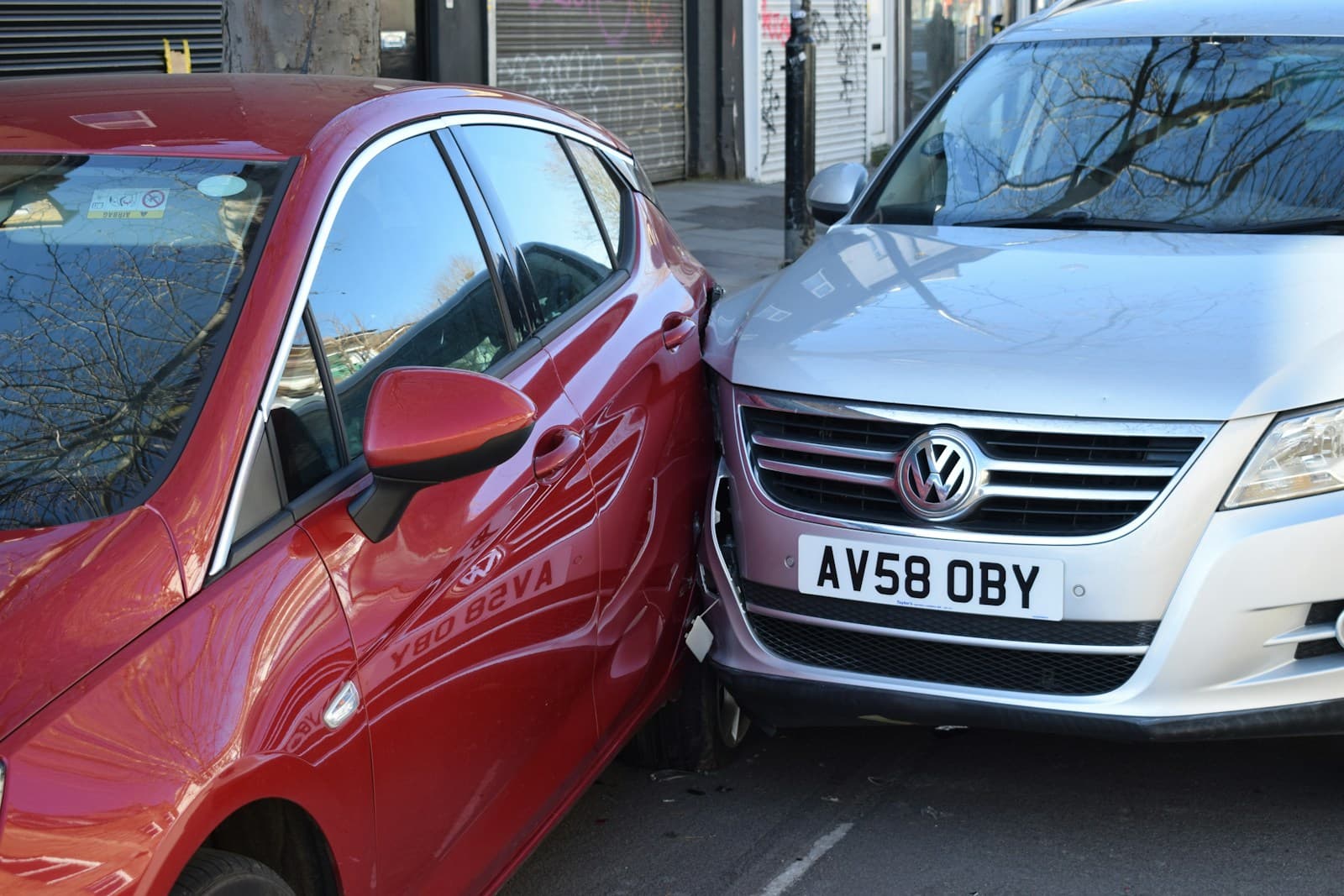
The Collision Did Not Trigger Your SR-22 Requirement
You were in an accident. Oregon State Police or local law enforcement showed up. You submitted to a breath test and blew 0.08% or higher, or you refused testing. The DMV sent you an administrative license suspension notice under ORS 813.410 citing implied consent failure. Somewhere in that notice or in correspondence from your attorney, SR-22 appeared as a reinstatement condition. You now believe the accident itself is why you need SR-22 filing — it is not.
Oregon does not require SR-22 for at-fault collisions, property damage liability claims, or even uninsured driving violations in isolation. The SR-22 requirement attached to your case because the accident investigation produced a DUII charge or administrative license suspension under implied consent law. The collision brought law enforcement into contact with you; the breath test result or refusal triggered the suspension; the suspension under ORS 813.410 or a subsequent DUII conviction under ORS 813.010 is what mandates 3 years of continuous SR-22 filing as a condition of reinstatement. If you had been stopped at a sobriety checkpoint with no collision involved and the same BAC result occurred, the SR-22 requirement would be identical.
Compare car insurance rates in your state
Get quotes from licensed carriers — no obligation, no spam, results in minutes.
Get Your Free QuoteOregon DUII Reinstatement Fee
$85
This is the base administrative fee to reinstate your license after a DUII-related suspension, separate from SR-22 filing fees carriers charge. Total reinstatement cost includes this fee plus any unpaid fines, DUI education program costs, and ignition interlock compliance fees if applicable.
Oregon DMV reinstatement fee schedule, ORS Chapter 809
What SR-22 Actually Costs You Each Month
SR-22 is not insurance. It is a liability insurance endorsement — a form your carrier files electronically with Oregon DMV certifying you carry at least Oregon's minimum liability limits: $25,000 bodily injury per person, $50,000 bodily injury per accident, $20,000 property damage. The carrier charges a small one-time filing fee to submit the SR-22 certificate; that fee amount is set by the carrier and varies from $15 to $50 in most cases. That fee is not your monthly cost. Your monthly cost is the premium for the liability policy the SR-22 certifies.
Carriers writing DUII-convicted drivers place you in a non-standard risk tier. The liability premium you pay reflects underwriting for drivers with DUII convictions, not the SR-22 filing itself. When price-shopping SR-22 coverage, you are price-shopping non-standard liability policies. The SR-22 filing fee is negligible; the tier assignment drives monthly cost. Carriers specializing in high-risk drivers — Bristol West, Dairyland, GAINSCO, The General, Progressive's non-standard division — typically produce lower quotes than standard-tier carriers who price DUII risk into their worst-case underwriting brackets.
You cannot drop liability coverage for 3 years without restarting your SR-22 filing period from day one — even a single-day lapse triggers DMV notification and suspension reinstatement.
Drop Collision and Comprehensive — Keep Liability
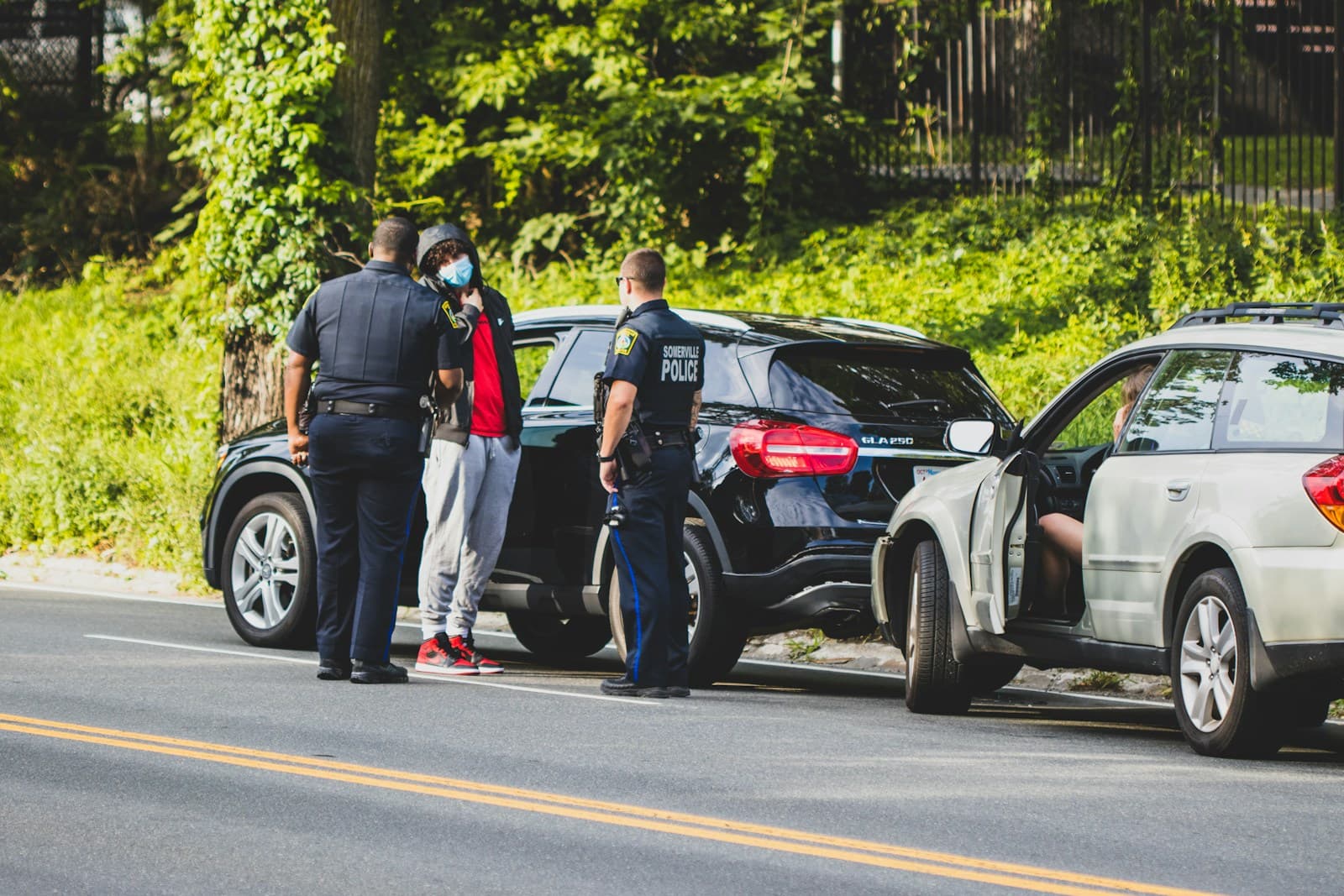
Collision and comprehensive are optional coverages. Oregon does not require them for SR-22 compliance. SR-22 certifies only that you carry state-minimum liability insurance. You can cancel collision and comprehensive coverage on a totaled or parked vehicle immediately and retain only liability coverage plus the SR-22 filing without violating reinstatement conditions. Your carrier will continue filing SR-22 as long as any active liability policy remains on your account. If the vehicle is totaled beyond repair and you are not replacing it, you transition to a non-owner SR-22 policy — liability coverage with no vehicle attached. Non-owner policies exist specifically for this situation and cost substantially less than standard auto policies because they carry no collision or comprehensive exposure.
Call your current carrier before canceling anything. Confirm in writing that canceling physical damage coverages will not cancel your underlying liability policy or SR-22 filing. If your carrier cannot separate the two — some non-standard carriers bundle coverage in ways that make partial cancellation administratively difficult — request a policy change to liability-only coverage on the damaged vehicle or a transition to a non-owner policy. If your current carrier will not accommodate either path, you shop for a new carrier, bind the new liability or non-owner policy with SR-22 filing, confirm the new carrier has filed SR-22 with Oregon DMV, then cancel the old policy. You never allow a gap between cancellation and new coverage — Oregon's electronic insurance verification system reports lapses to DMV within days.
Related Articles




Carriers Writing Oregon DUII SR-22 Policies
Not all carriers write SR-22-required drivers. Standard-tier carriers — Amica, CSAA, Hartford — either decline DUII applicants outright or price them into uncompetitive brackets. Non-standard carriers specialize in high-risk drivers and produce materially lower quotes. Oregon-licensed carriers writing DUII SR-22 policies include Bristol West, Dairyland, GAINSCO, Geico (non-standard division), The General, Progressive (non-standard tiers), National General, Infinity, and Kemper. State Farm writes SR-22 but places DUII drivers in higher-tier brackets; they are rarely the lowest quote.
Request quotes from at least three non-standard carriers. Submit identical coverage requests — state minimum liability plus SR-22 filing, or non-owner SR-22 if you have no vehicle. Underwriting varies significantly: one carrier may decline a DUII with property damage involvement while another prices it as standard high-risk. BAC level, refusal vs failure, prior violations, accident injury involvement, and time since suspension date all influence tier placement. Quotes vary by hundreds of dollars annually for identical coverage. If you are transitioning from a totaled vehicle to non-owner coverage, specify that clearly — non-owner policies eliminate collision and comprehensive exposure entirely and price 30% to 50% lower than vehicle-attached policies in most cases.
Oregon SR-22 Filing Duration After DUII
3 years
Oregon requires continuous SR-22 filing for 3 years following DUII conviction or administrative suspension under implied consent law. The 3-year period begins on your reinstatement date, not your suspension date or conviction date. Any lapse in coverage during those 3 years resets the clock — you start a new 3-year period from the date you refile.
Oregon DMV SR-22 requirements, ORS 806.010 et seq.
Non-Owner SR-22 If You Are Not Replacing the Vehicle
Non-owner SR-22 policies provide liability coverage when you drive vehicles you do not own — borrowed cars, rental cars, employer vehicles. They do not cover a vehicle titled or registered in your name. If your collision totaled your only vehicle and you are not purchasing a replacement immediately, non-owner SR-22 satisfies Oregon's reinstatement requirement without requiring you to insure a car you do not have. Oregon DMV does not require vehicle ownership to reinstate your license; it requires proof of financial responsibility. Non-owner policies meet that proof.
Non-owner policies cost less because they carry no collision, comprehensive, or vehicle-specific liability exposure. You pay only for the liability coverage that follows you as a driver. Typical non-owner SR-22 premiums in Oregon for DUII-suspended drivers range from $40 to $90 per month depending on BAC level, prior violations, and carrier. Dairyland, GAINSCO, The General, Progressive, and Geico all write non-owner SR-22 policies for Oregon DUII drivers. If you later purchase a vehicle, you convert the non-owner policy to a standard auto policy with that vehicle added; the SR-22 filing continues without interruption and your 3-year period does not reset.
Compare Non-Standard Carriers Who Write Your Situation
Standard-tier carriers are not your market. Requesting quotes from Allstate, State Farm, or Travelers after a DUII produces either declinations or premiums double what non-standard carriers charge for identical coverage. Non-standard carriers underwrite DUII risk as their core business and price it competitively. Your comparison pool includes Bristol West, Dairyland, GAINSCO, The General, Progressive's non-standard division, National General, Infinity, and Kemper — all licensed in Oregon, all writing SR-22-required drivers, all producing materially different quotes for the same coverage request.
Use Oregon SR-22 Auto Insurance's carrier comparison tool to request quotes from multiple non-standard carriers simultaneously. Specify whether you need vehicle-attached liability + SR-22 or non-owner SR-22. Provide accurate information about your DUII case: BAC level or refusal, accident involvement, injury involvement, conviction date or administrative suspension date. Underwriting relies on these details; withholding them produces quotes that do not bind when the carrier runs your driving record. Quotes typically arrive within 24 to 48 hours. Bind the lowest-cost policy that meets Oregon's minimum liability limits, confirm SR-22 filing with Oregon DMV within 10 days, and maintain continuous coverage for 3 years from your reinstatement date.