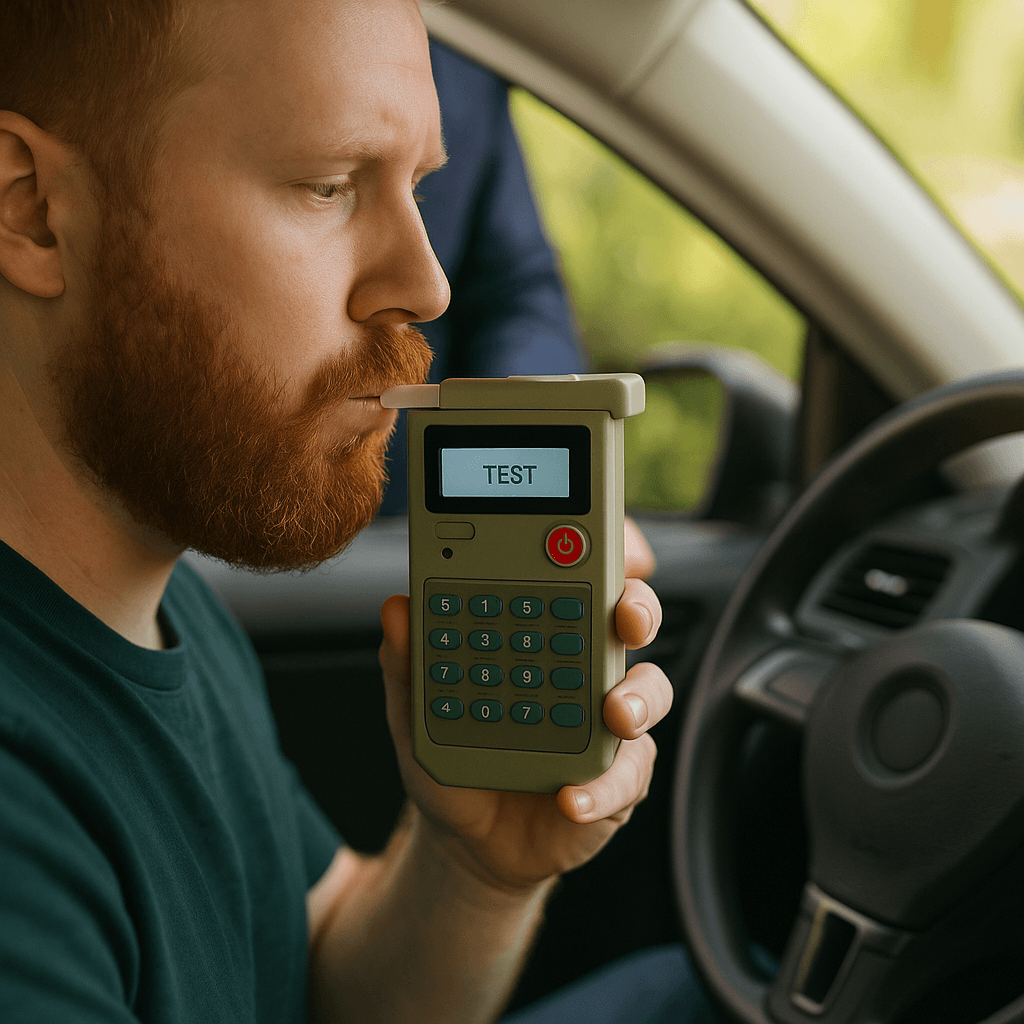
The Refusal Creates Two Separate Suspension Tracks
You refused the breath or blood test at your DUII stop. Oregon DMV mailed you a notice of a one-year administrative suspension under ORS 813.410 — the implied consent suspension. This suspension exists whether or not the district attorney files criminal DUII charges, and it runs on its own timeline independent of any court case. Most drivers assume the court case controls everything. It does not. The administrative suspension from your refusal is already in motion, and it requires its own SR-22 filing and its own reinstatement process.
The structural confusion: if the DA does file DUII charges and you are convicted, that conviction triggers a second, separate revocation from the court. You now have two suspensions — the administrative one from the refusal and the judicial one from the conviction. Both require SR-22. Both have their own reinstatement fees. Both must be resolved before you can drive legally again. Carriers need to know which track you are insuring for, because the timelines and filing requirements differ.
Compare car insurance rates in your state
Get quotes from licensed carriers — no obligation, no spam, results in minutes.
Get Your Free QuoteOregon Implied Consent Refusal Suspension
1 year
Under ORS 813.410, refusing the chemical test at a DUII stop triggers an automatic one-year administrative suspension issued by Oregon DMV. This suspension is separate from any criminal court proceedings and begins 30 days after the refusal unless you request a hearing within 10 days of the arrest.
ORS 813.410 (Implied Consent Suspension)
SR-22 Is Required for Administrative Suspension Reinstatement
Oregon DMV requires an SR-22 certificate of financial responsibility to reinstate your license after an implied consent suspension. The SR-22 must remain on file for three years from the date of reinstatement, not from the date of the refusal. If your SR-22 lapses at any point during those three years, DMV suspends your license again immediately, and you restart the reinstatement process from the beginning.
The SR-22 is not insurance. It is a filing your insurance carrier submits to Oregon DMV certifying that you carry at least Oregon's minimum liability limits: $25,000 bodily injury per person, $50,000 bodily injury per accident, and $20,000 property damage per accident. Oregon also requires personal injury protection and uninsured motorist coverage. Most carriers charge a one-time filing fee to submit the SR-22 on your behalf. That fee is separate from your premium.
If you do not own a vehicle, you need a non-owner SR-22 policy. This covers you when driving someone else's car and satisfies Oregon's SR-22 requirement without insuring a specific vehicle. Non-owner policies typically cost less than standard policies because they carry lower risk, but not all carriers write them. Non-owner SR-22 policies are the correct path for suspended drivers without a car.
Buying insurance without the SR-22 filing does nothing for reinstatement — the policy must include the SR-22 certificate filed with Oregon DMV, or DMV has no record you are insured.
Hardship Permit Requires SR-22 and Ignition Interlock
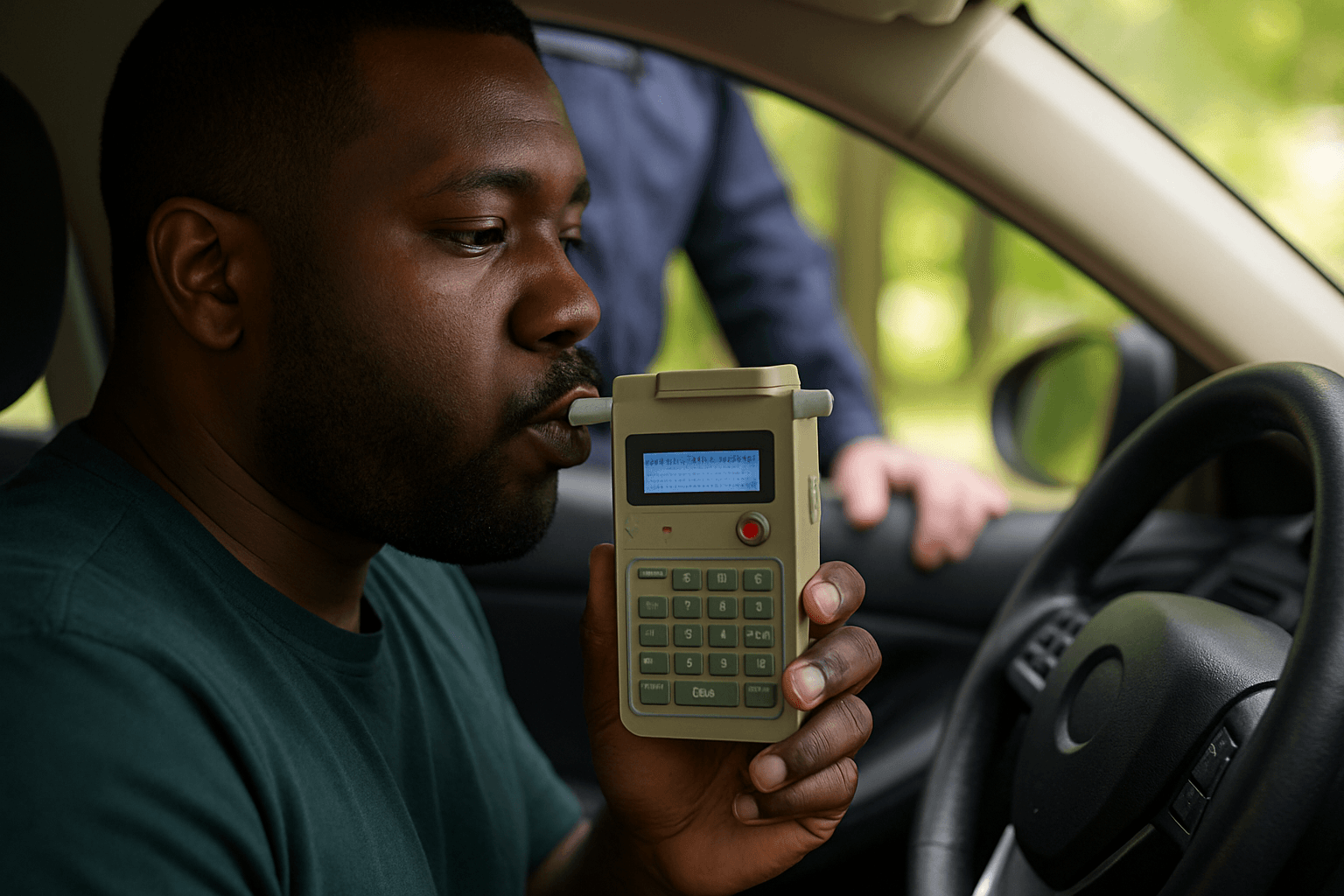
To qualify for a hardship permit after an implied consent refusal, you must install an ignition interlock device in any vehicle you will drive. Oregon requires IID installation for all DUII-related hardship permits under ORS 813.602. The IID requirement is non-negotiable — DMV will not issue the permit without proof of installation from an Oregon-approved IID vendor. The IID monitors every trip and reports violations to DMV. If you attempt to start the vehicle with alcohol in your system, or if you fail a rolling retest while driving, DMV revokes the hardship permit immediately and you lose the privilege for the remainder of the suspension period.
You must also submit proof of SR-22 insurance when you apply for the hardship permit. The SR-22 filing must be active before DMV will process your hardship application. Your hardship permit restricts you to essential purposes only: employment, medical appointments, school, and essential household needs. DMV defines the specific hours and routes based on your stated need. Driving outside those restrictions violates the permit and triggers revocation. The hardship permit does not shorten your suspension — it allows limited driving during the suspension period while the SR-22 clock runs.
Related Articles




Most Standard Carriers Will Not Quote You After Refusal
State Farm, Allstate, GEICO, and most preferred-tier carriers either decline coverage outright or non-renew your policy after an implied consent refusal appears on your motor vehicle record. The refusal is treated as a high-risk event comparable to a DUII conviction itself, because Oregon's implied consent law presumes refusal indicates impairment. Carriers that do write post-refusal policies place you in their non-standard tier, which carries significantly higher premiums than standard auto insurance.
Non-standard carriers that write Oregon SR-22 policies include Bristol West, Dairyland, The General, Progressive, and GAINSCO. These carriers specialize in high-risk driver coverage and file SR-22 certificates as part of their standard underwriting process. Not all of them write non-owner policies, so if you do not own a vehicle, you must confirm non-owner SR-22 availability before applying. Comparing quotes from multiple non-standard carriers is the only way to identify the lowest rate available to your profile, because pricing varies significantly by carrier, county, and your specific violation history.
If you are convicted of DUII in court after the administrative suspension, your rates increase again. The conviction is a separate event on your record, and carriers re-rate your policy when the conviction appears. Some carriers will not renew you at all after a conviction. Shopping your policy annually during the three-year SR-22 period allows you to capture rate decreases as time passes and the refusal ages on your record.
Oregon Reinstatement Fee After Administrative Suspension
$75
Oregon DMV charges a $75 base reinstatement fee to restore your license after an implied consent suspension. If you were also convicted of DUII in court, the reinstatement fee for the judicial revocation is higher — potentially $100 or more. Both fees must be paid separately if both suspensions apply.
Oregon DMV reinstatement fee schedule
Reinstatement Requires Separate Fees for Each Suspension
If you have both an administrative suspension from the refusal and a judicial revocation from a DUII conviction, you must reinstate each one separately. Oregon DMV treats them as distinct suspensions even though they arose from the same incident. The administrative suspension requires the $75 reinstatement fee. The judicial revocation requires its own reinstatement fee, typically higher. Both require proof of SR-22 on file. Both require completion of any court-ordered alcohol treatment or education programs. If you miss any requirement on either track, DMV will not reinstate your license.
The three-year SR-22 filing period begins on the date of reinstatement, not the date of the refusal or conviction. If your administrative suspension ends one year after the refusal, but your judicial revocation runs longer due to court sentencing, your SR-22 clock does not start until you satisfy the longer suspension and pay both reinstatement fees. Letting your SR-22 lapse at any point during those three years resets the entire reinstatement process and adds new fees.
What to Do Right Now
Request an administrative hearing within 10 days of your arrest if you have not already done so. The hearing is your only opportunity to challenge the implied consent suspension before it takes effect. If the 10-day window has passed, the suspension is final, and you should immediately begin shopping for SR-22 coverage from non-standard carriers. Do not wait until the 30-day hard suspension ends — carriers need time to underwrite your policy and file the SR-22 with Oregon DMV, and any delay pushes back your hardship permit eligibility.
If you do not own a vehicle, confirm that the carrier writes non-owner SR-22 policies before applying. If you plan to apply for a hardship permit, schedule IID installation with an Oregon-approved vendor immediately after the first 30 days of suspension. Gather documentation of your essential need — employer verification letter, medical appointment schedules, school enrollment records — and submit your hardship permit application to Oregon DMV along with proof of SR-22 and IID installation. Compare carriers that write your situation using the tool below to identify the lowest rate available in your county.