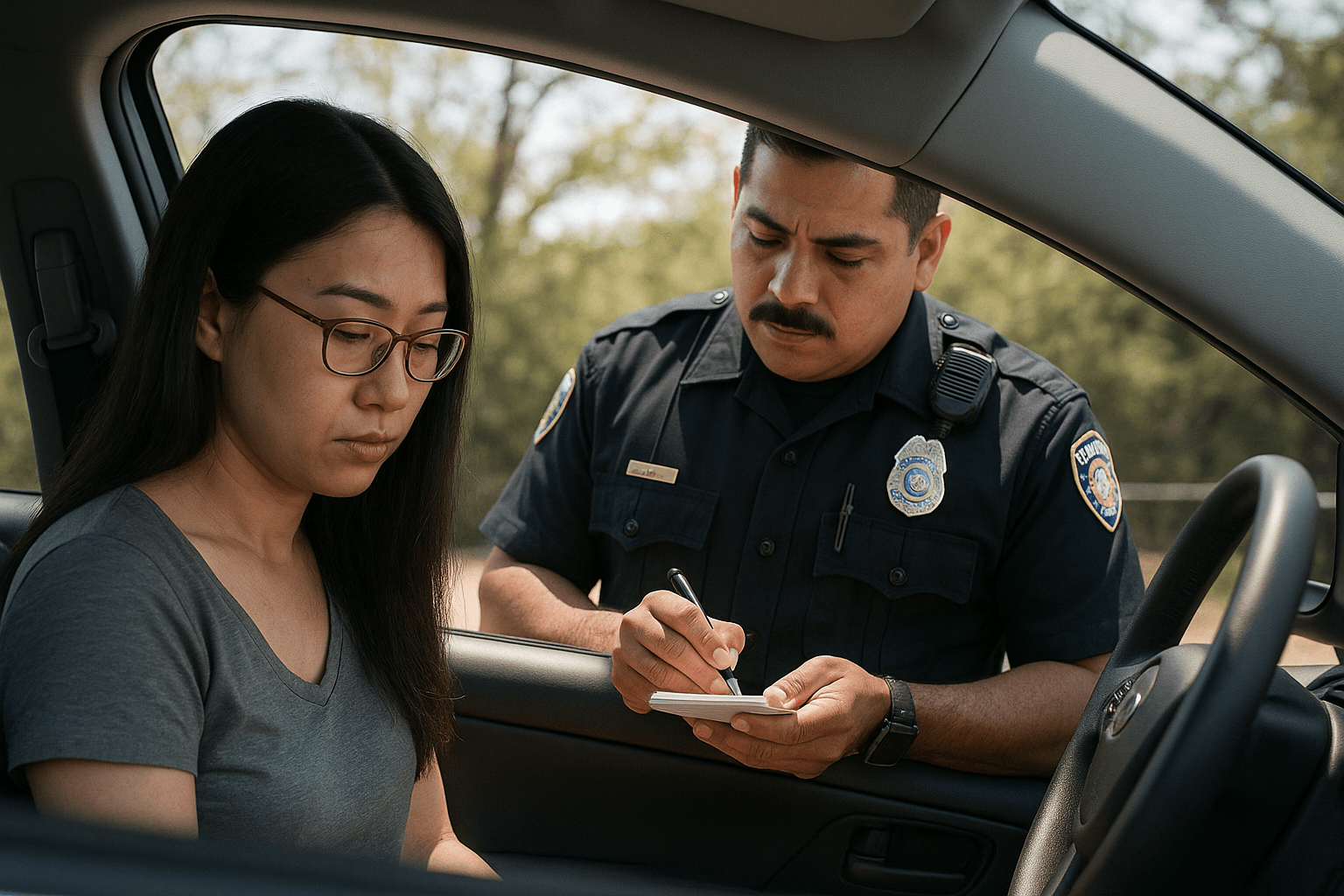
You Were Cited for No Insurance and Now Need SR-22
Oregon convicted you under ORS 806.010 for operating without required liability coverage. The Oregon DMV suspended your vehicle registration within days of the conviction report, not your driver license. You cannot legally drive any vehicle — yours or someone else's — until you file SR-22 proof of financial responsibility and maintain it continuously for three years. The registration stays suspended until you pay the reinstatement fee and prove coverage is active.
Most Oregon drivers in your position assume they need to reinstate their license first. That is backwards. Oregon suspends registration after a no-insurance conviction, and the path forward requires SR-22 filing before registration reinstatement. If you sold your car or no longer own a vehicle, you need a non-owner SR-22 policy to satisfy the DMV's three-year filing requirement without insuring a specific car.
Compare car insurance rates in your state
Get quotes from licensed carriers — no obligation, no spam, results in minutes.
Get Your Free QuoteOregon Registration Reinstatement Fee
$75
This is the base fee to restore suspended registration after proving SR-22 coverage. You pay it once when reinstating, but the SR-22 must stay on file for three years or the DMV suspends registration again.
ORS 806.070, Oregon DMV fee schedule
Oregon SR-22 Applies to Registration, Not Your License
ORS 806.070 gives the DMV authority to suspend vehicle registration when an owner fails to maintain required liability coverage. Your driver license remains valid unless a separate violation triggered license suspension. Registration suspension means the vehicle itself cannot be legally operated by anyone — you, a family member, or a borrowed-vehicle scenario. The SR-22 filing proves you now carry at least Oregon's minimum liability limits: $25,000 per person, $50,000 per accident bodily injury, and $20,000 property damage.
The three-year SR-22 period starts the day your insurer files the certificate electronically with the Oregon DMV. If coverage lapses for any reason — missed payment, policy cancellation, switching carriers without continuous filing — the insurer notifies the DMV within 10 days and Oregon suspends registration again. You then face a new reinstatement fee and the three-year clock resets from the date you refile. Continuous means zero gaps, not approximately continuous.
If you no longer own a vehicle, you still need SR-22 on file for three years. Non-owner SR-22 satisfies Oregon's filing requirement without insuring a specific car.
Two SR-22 Policy Types for Oregon Filers

Owner SR-22 policy: You own or register a vehicle and need both liability coverage for that vehicle and the SR-22 certificate filed with the DMV. This is the standard path when you plan to keep driving your car. Rates reflect your driving record, the vehicle, and the SR-22 filing requirement. Most carriers writing Oregon SR-22 business offer owner policies; expect monthly premiums in the $110–$180 range for minimum liability limits depending on county, age, and violation history.
Non-owner SR-22 policy: You sold your car, lost access to a vehicle, or do not plan to drive regularly but must maintain the SR-22 filing to satisfy the three-year requirement. Non-owner policies provide liability coverage when you drive someone else's vehicle occasionally and include the SR-22 certificate. Monthly premiums typically run $25–$45 for minimum Oregon liability limits. This is the cheapest legal path to maintain SR-22 compliance without owning a car. If you later buy a vehicle, you switch to an owner policy and transfer the SR-22 filing without restarting the three-year clock.
Related Articles




Carriers Writing SR-22 Policies After Oregon No-Insurance Conviction
Eight carriers confirmed writing SR-22 policies in Oregon as of current underwriting data: Bristol West, Dairyland, GAINSCO, Geico, Infinity, Kemper, National General, Progressive, State Farm, and The General. Not all write both owner and non-owner SR-22 policies; some restrict underwriting by county or require broker placement. Geico, Progressive, and State Farm offer online quotes for owner SR-22 policies statewide. Bristol West, Dairyland, GAINSCO, Infinity, The General write non-standard auto and typically offer the most competitive pricing for drivers with recent convictions.
Non-owner SR-22-specific availability: Dairyland, GAINSCO, Geico, Progressive, The General, and USAA explicitly confirm non-owner SR-22 products in Oregon. If you need non-owner coverage, start quotes with these six carriers. Owner SR-22 quotes from carriers not writing non-owner policies will not help you meet the filing requirement without a vehicle to insure.
Rate variation by carrier for the same driver profile often exceeds $60 per month. Oregon does not regulate SR-22 insurance pricing beyond standard auto insurance rate-filing requirements. Compare at least three carrier quotes before binding coverage. The cheapest option for your specific county, age, and violation combination will not match another driver's result even within the same city.
Oregon SR-22 Filing Period
3 years
Measured from the date your insurer files the SR-22 certificate, not your conviction date. The three-year period does not reduce for good behavior. Any lapse in coverage during this window resets the clock to day one.
ORS 806.070, Oregon DMV SR-22 program rules
What Happens If You Let SR-22 Coverage Lapse
Your insurer reports policy cancellations and non-renewals to the Oregon DMV electronically within 10 business days. The DMV processes the lapse notification and mails a suspension notice to your last address on file. Oregon suspends vehicle registration immediately upon processing the lapse — you do not get a grace period to cure the gap. Driving with suspended registration is a separate violation under ORS 806.010, carrying additional fines and extending your SR-22 requirement.
To reinstate after a lapse, you must purchase new coverage with SR-22 filing, pay the $75 reinstatement fee again, and restart the three-year filing period from the new filing date. If you lapse twice within five years, some carriers will not write you a third SR-22 policy regardless of premium. Continuous coverage for three full years is not optional — it is the only path that closes the SR-22 requirement and restores normal registration status.
Compare Rates from Carriers Writing Your County
Monthly premium differences between the cheapest and most expensive carrier for Oregon SR-22 policies routinely exceed $700 annually for identical coverage limits. Geico, Progressive, and Bristol West typically offer online quotes within minutes for owner policies. Non-owner SR-22 quotes often require a phone call to confirm underwriting appetite in your specific county. GAINSCO and The General specialize in post-conviction business and should be in every rate comparison for drivers with recent no-insurance tickets.
Request quotes for Oregon minimum liability limits first: $25,000/$50,000/$20,000. Some carriers will push higher limits or add comprehensive and collision coverage you do not need to satisfy the SR-22 filing. Minimum liability with SR-22 filing meets Oregon's legal requirement. If you want higher limits or physical damage coverage, price those separately after confirming the base SR-22 rate. Start your comparison with the eight carriers confirmed writing Oregon SR-22 business. Binding coverage that includes the SR-22 certificate triggers the DMV filing within 24 hours and starts your three-year clock immediately.