The Refusal Suspension Letter You Just Received
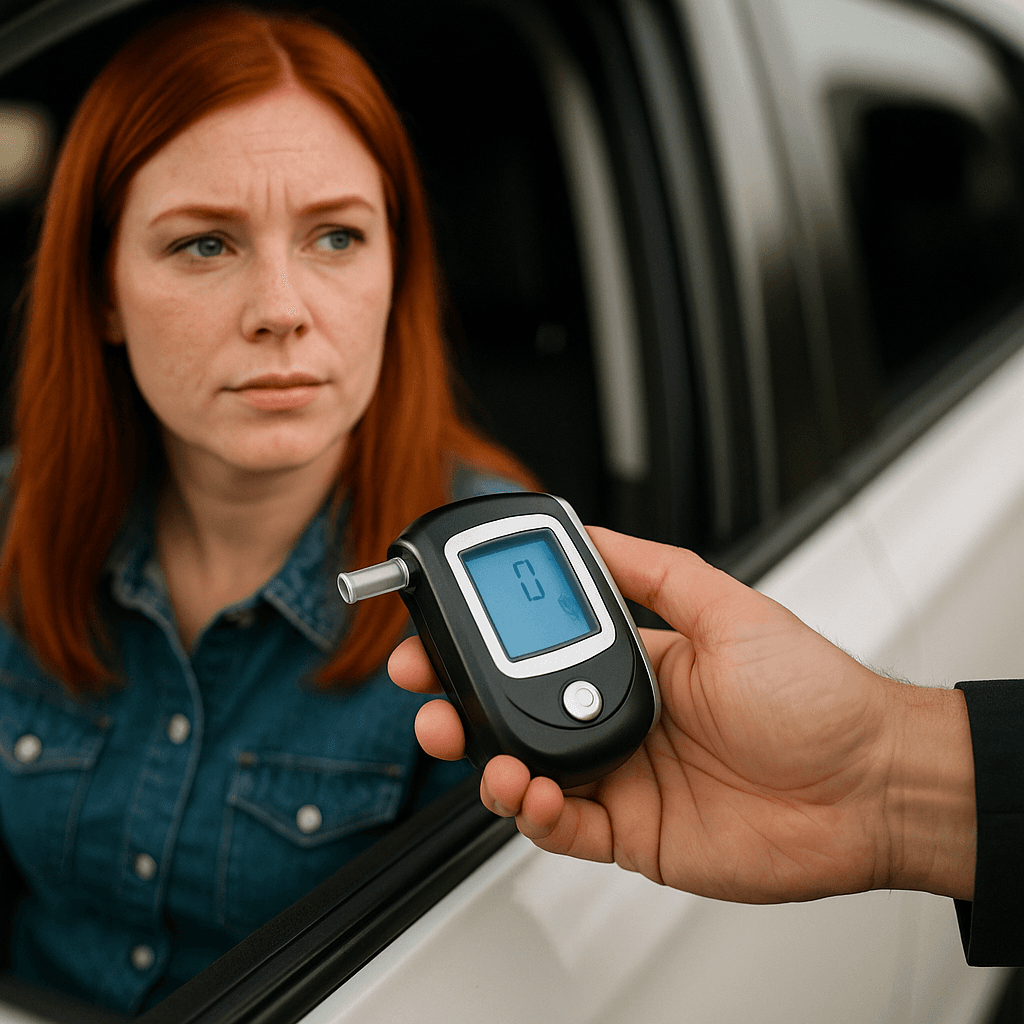
You refused the breathalyzer test during a DUII stop in Oregon, and now you're holding a notice from Oregon DMV that says your license is suspended for one year under ORS 813.410. The letter mentions something about implied consent and a 90-day period before you can apply for a hardship permit. You expected a suspension, but the insurance piece is confusing — you didn't get convicted of anything yet, so why does everyone keep telling you that you need SR-22 insurance right now?
Oregon's implied consent law treats refusal as an administrative suspension entirely separate from any criminal DUII case. The DMV suspended your license the moment you refused the test, regardless of whether the prosecutor files charges or whether you're eventually convicted. That administrative suspension carries its own reinstatement requirements, and SR-22 filing is one of them. The insurance obligation starts now, not after a court date.
Compare car insurance rates in your state
Get quotes from licensed carriers — no obligation, no spam, results in minutes.
Get Your Free QuoteOregon Refusal Suspension Period
1 year
Under ORS 813.410, refusing a breathalyzer test during a DUII stop triggers a mandatory one-year administrative license suspension imposed by Oregon DMV. This runs independently of any criminal DUII case and begins immediately upon refusal.
ORS 813.410 (Implied Consent Law)
Why Refusal Suspensions Hit Insurance Harder
Oregon penalizes refusal more severely than BAC test failure. If you had taken the test and failed with a result of 0.08 or higher, you would face a 90-day administrative suspension with hardship permit eligibility after just 30 days. Because you refused, the suspension lasts one full year, and you cannot apply for a hardship permit until 90 days have passed — triple the hard suspension window.
The structural difference matters for insurance timing. Drivers who fail the BAC test can apply for hardship permits at day 31, get approved with SR-22 and ignition interlock in place, and drive legally within 45 days of suspension. Refusal drivers sit without any driving privilege for the first 90 days, then face the same SR-22 and ignition interlock requirements once hardship eligibility opens. The insurance filing obligation exists whether or not you apply for hardship, because it's a condition of eventual full reinstatement.
Carriers treat refusal cases as higher-risk than BAC failure cases. Actuarial data shows refusal correlates with prior violations and repeat offenses more strongly than first-time BAC failures. That means you're shopping for SR-22 coverage in the non-standard tier with a trigger that carriers price at the top of that tier. Premiums will reflect both the DUII administrative record and the refusal marker.
You cannot drive legally in Oregon — even with a hardship permit — until you have SR-22 insurance on file and an approved ignition interlock device installed.
SR-22 Filing After Oregon DUII Refusal
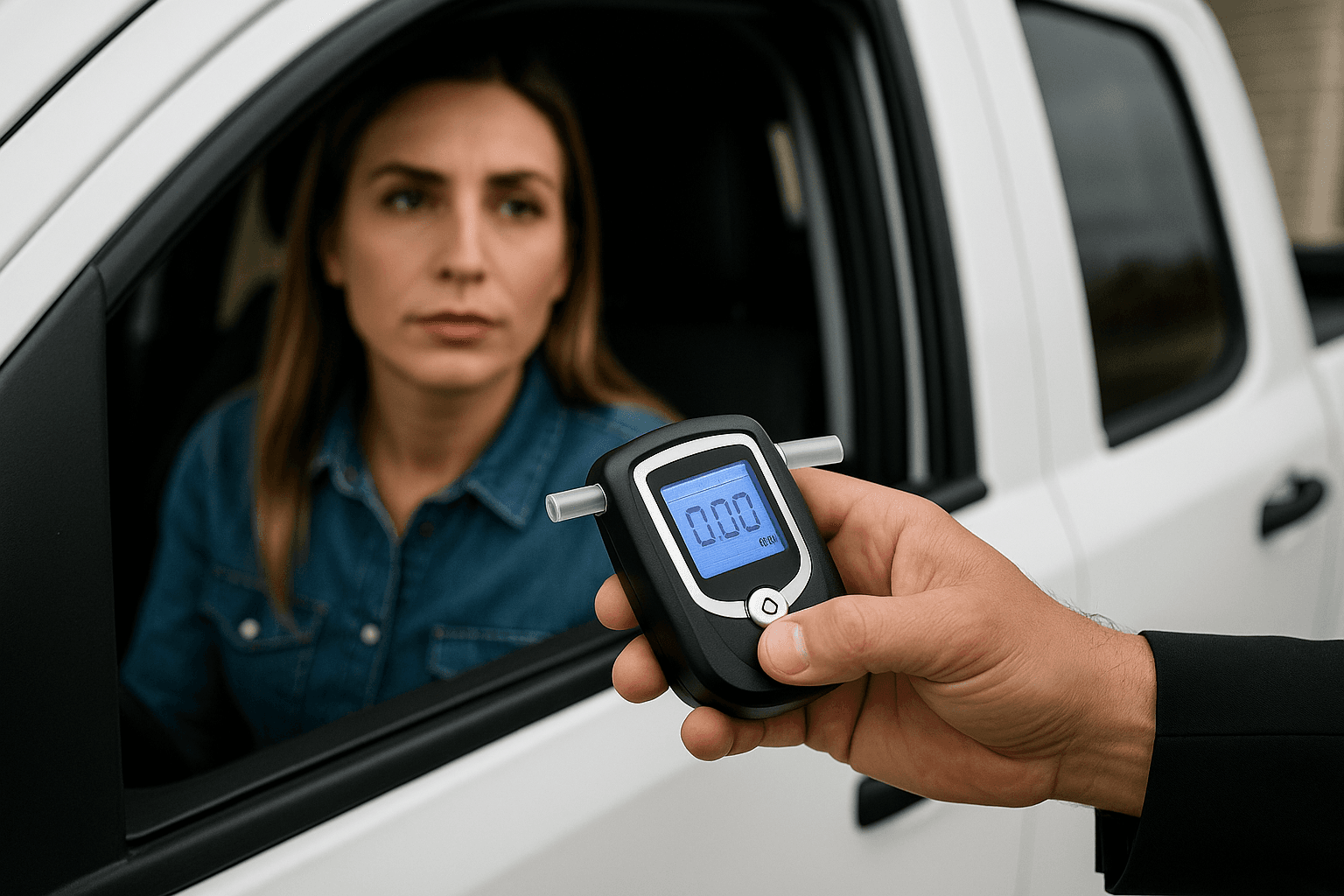
Oregon requires SR-22 filing for all DUII-related administrative suspensions, including refusal cases under ORS 813.410. The filing must remain active and uninterrupted for three years from the date DMV processes it, not from your suspension date or conviction date. If your carrier cancels your policy or you let coverage lapse at any point during those three years, the carrier notifies DMV electronically within 10 days, and DMV re-suspends your license immediately. There is no grace period.
You need SR-22 on file before Oregon DMV will approve a hardship permit application and before they will process full reinstatement at the end of your suspension period. Most carriers charge a one-time filing fee to submit the SR-22 certificate, separate from your premium. The filing itself takes one to three business days to process once the carrier submits it. Plan for at least one week between buying the policy and having the SR-22 active in DMV's system.
Related Articles




Hardship Permit Eligibility and Ignition Interlock Requirement
Oregon calls its restricted driving privilege a Hardship Permit. You become eligible to apply 90 days after your refusal suspension begins. Eligibility does not mean automatic approval — you must prove essential need for employment, medical appointments, education, or other necessity documented with employer letters, class schedules, or medical provider statements. Oregon DMV evaluates each application individually and defines the specific routes and hours you're allowed to drive based on the need you document.
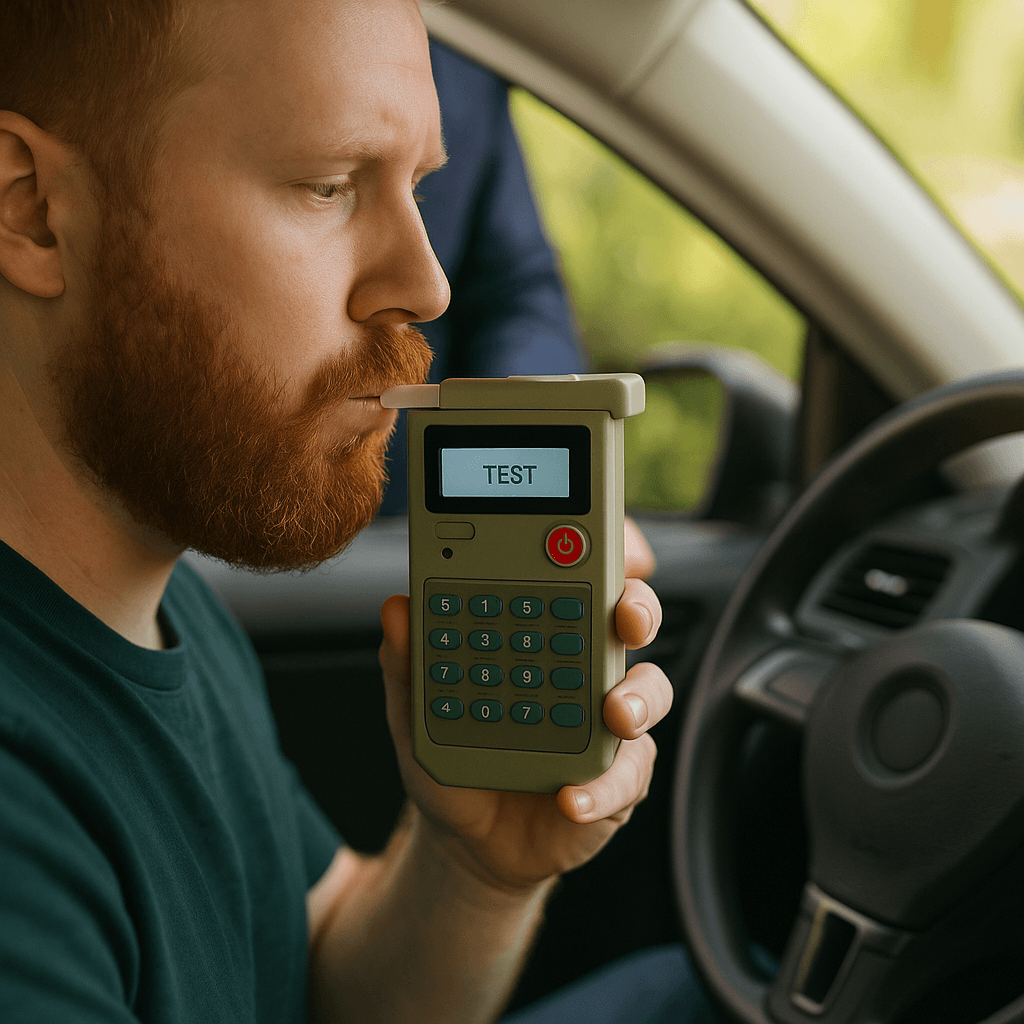
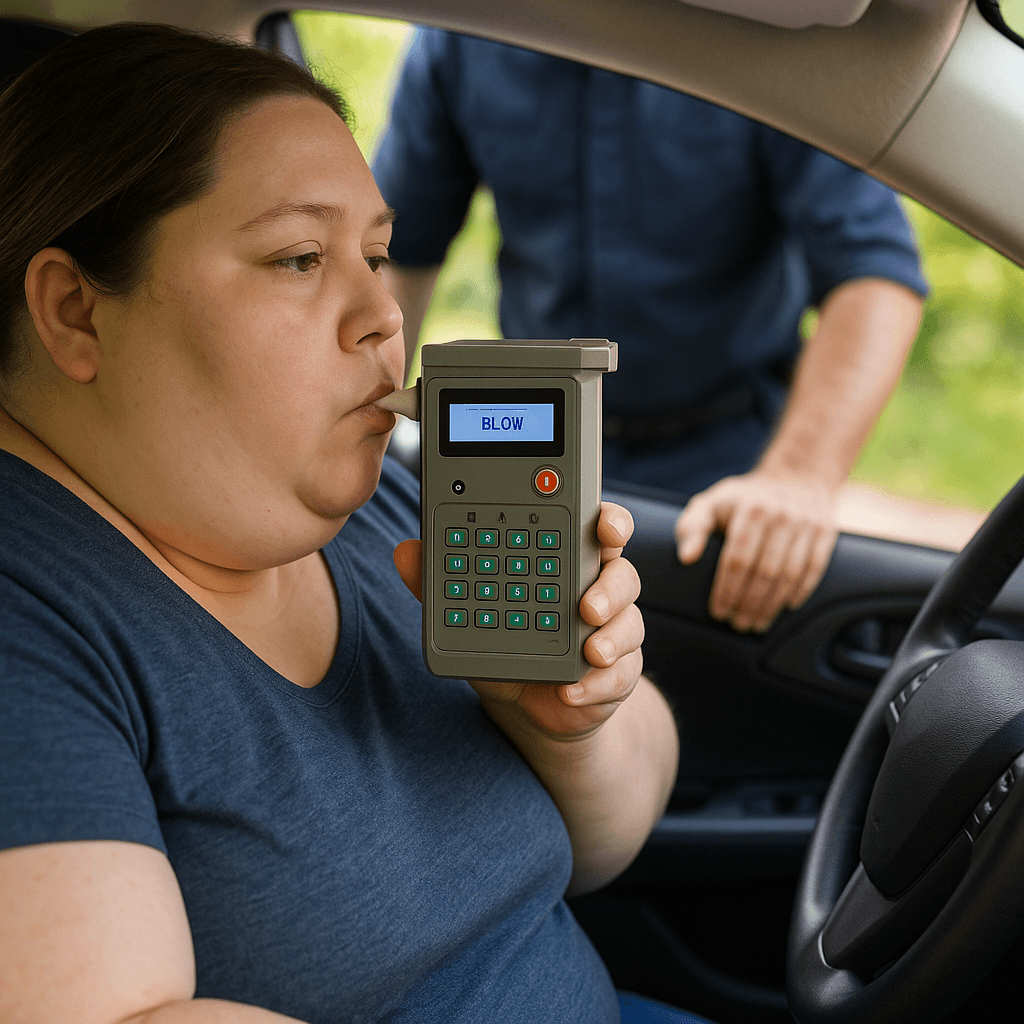
Every hardship permit issued after a DUII-related suspension requires an ignition interlock device installed in any vehicle you will operate. Oregon administers this through its IID program; you must use a state-approved vendor, pay installation and monthly monitoring fees out of pocket (typically $75–$100 installation, $60–$80 per month), and submit to compliance reporting. The IID requirement is non-negotiable — DMV will not approve your hardship permit without proof of installation, and SR-22 insurance must be active before installation can occur.
If you're enrolled in Oregon's DUII Diversion Program under ORS 813.200, you may apply for a hardship permit after completing the initial 30-day hard suspension period within diversion, but the SR-22 and ignition interlock requirements still apply. Diversion does not waive the insurance filing obligation; it changes the criminal case disposition, not the administrative license consequences.
Violating hardship permit terms — driving outside your approved hours or routes, operating a vehicle without the ignition interlock, or any new alcohol-related violation — triggers automatic revocation of the hardship permit and extends your full suspension period. There is no warning; the revocation is immediate once DMV receives notice of the violation.
Oregon DUII Reinstatement Cost
$75 + SR-22
Full license reinstatement after a DUII refusal suspension requires paying Oregon DMV's $75 base reinstatement fee plus proof of three years of continuous SR-22 filing. Additional fees apply if other violations or lapses occurred during the suspension period.
Oregon DMV Reinstatement Fee Schedule
Finding Coverage That Writes Refusal Cases
Not every carrier writes SR-22 policies for DUII refusal cases in Oregon. Standard-tier carriers like State Farm and USAA may decline to renew your existing policy once the administrative suspension posts to your driving record, or they may non-renew at your next policy term. You need a carrier that actively writes non-standard auto insurance and files SR-22 certificates in Oregon.
Carriers confirmed to write Oregon SR-22 policies for DUII-related cases include Progressive, GEICO, Bristol West, Dairyland, The General, GAINSCO, and Kemper. Several of these specialize in high-risk drivers and expect DUII and refusal cases in their underwriting models. Rates vary significantly by carrier even within the non-standard tier — one carrier may quote 40% higher than another for the same coverage and driver profile. Comparing at least three carriers is not optional if you want the lowest available rate.
What Happens Next
You are 90 days away from hardship permit eligibility and one year away from full reinstatement eligibility. Right now, your job is to get SR-22 insurance active in Oregon DMV's system so it's on file when you reach the 90-day mark and apply for your hardship permit. Delaying the SR-22 filing does not delay the three-year clock — that clock starts when DMV processes the filing, so filing early costs you nothing and preserves your hardship timeline.
Start by comparing non-standard carriers that write Oregon SR-22 policies for refusal cases. Enter your violation details, suspension notice date, and coverage needs. Get quotes from at least three carriers, confirm the SR-22 filing fee and timeline, and bind the policy that meets Oregon's minimum liability limits: $25,000 bodily injury per person, $50,000 per accident, $20,000 property damage. Once the carrier files your SR-22 certificate and DMV processes it, you'll have the insurance component in place for your hardship permit application at day 90.